
The Cheese Blog
DIY Fromage Blanc Cheese Recipe - Because Milk Gets Old

Fromage Blanc Recipe
Did you know that making fromage blanc is one of the best ways to use up old milk? You know, the one whose expiration date has gone from looming to, ahem, a couple to few days past? If you too have been accidentally buying extra cartons of milk thinking you had none at home, this post is for you.
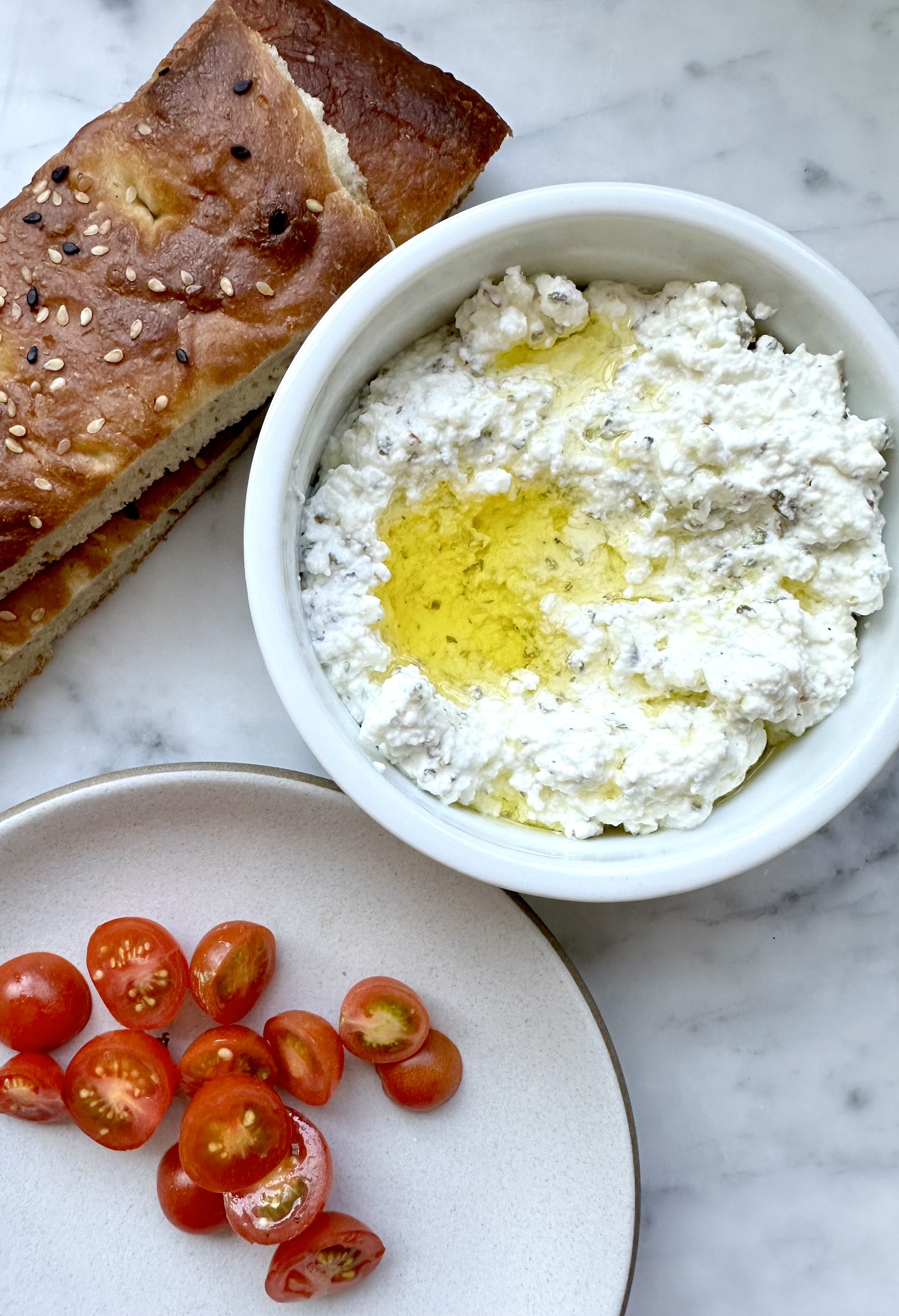
In fall, I love to mix my fromage blanc with dried or fresh oregano, serve it with the last of the summer tomatoes.
Happy Cheesemaking.
Fromage Blanc
1 gallon lowfat or whole milk *
2 tablespoons cultured buttermilk
2 drops calcium chloride
2 drops rennet
2 teaspoons salt
*Use low-fat milk for a silkier and fluffier cheese, and whole for a richer, thicker fromage blanc. While raw, or pasteurized milk are both great for this recipe, do not use ultra or flash-pasteurized milk.
Pour milk into a a thick-bottomed, stainless steel pot. While stirring over medium heat with a spatula, bring milk to 86 degrees F with a digital thermometer. Once at 86 degrees, remove from heat.
Add buttermilk and stir gently. While stirring, add the calcium chloride.
Add the rennet. Stir gently only to combine, then quickly stop the motion of the milk.
Cover the pot and place in a draft and agitation-free spot for 12-24 hours. The location should be between 60 and 80 degrees (the warmer the room and the longer the milk sits, the more acidic it becomes). After 12-18 hours, the milk will smell and look like yogurt - if it doesn’t, let it sit for a couple more hours.
Once curd is yogurt-like, gently spoon curds into a colander lined with butter muslin cloth or into a mould. If using cloth, knot the corners of the cloth to form a bag that can hang. Hang bag to drain at room temperature for 5 hours or until desired firmness.
Once drained, move curds to a large bowl and gently mix the cheese to distribute moisture and homogenize the texture. Salt and season as desired.
Pack into containers or roll into log shapes. Will keep refrigerated for up to 7 days
5 Light Reds Perfect for Fall
Sometimes a light red, that’s not a Pinot noir, is the best thing for early fall! Here’s my top five!


Top 5 Cheesemaking Dont's


I often get the question “why does my cheese suck?!” well… your cheese doesn’t suck! But here’s some of my top tips to get your cheese to be worthy of the time you’ve spent in making it!
Top 5 things people get wrong when making cheese at home
Aluminum pots. Cheesemaking all about chemistry, and this metal can keep your proteins from binding right and forming a good curd. To be safe: use stainless steel, ceramic, or glass pots.
Using homogenized or flash-pasteurized milk. See last infographic carousel all about cheesemaking milk!
Using too much cultures or molds. They can quickly take over a cheese and flavors can get really strong! Follow the recipe.
Not replacing rennet after 6 months. Label your bottle after you open it and before you put it in your fridge- the enzyme expires quicker than you’d think.
Keeping cultures longer than a year after opening. These poor little guys start to die off after about 12 months in your freezer. Just buy a little at a time!
5 Cool Things to Know about Sauvignon Blanc
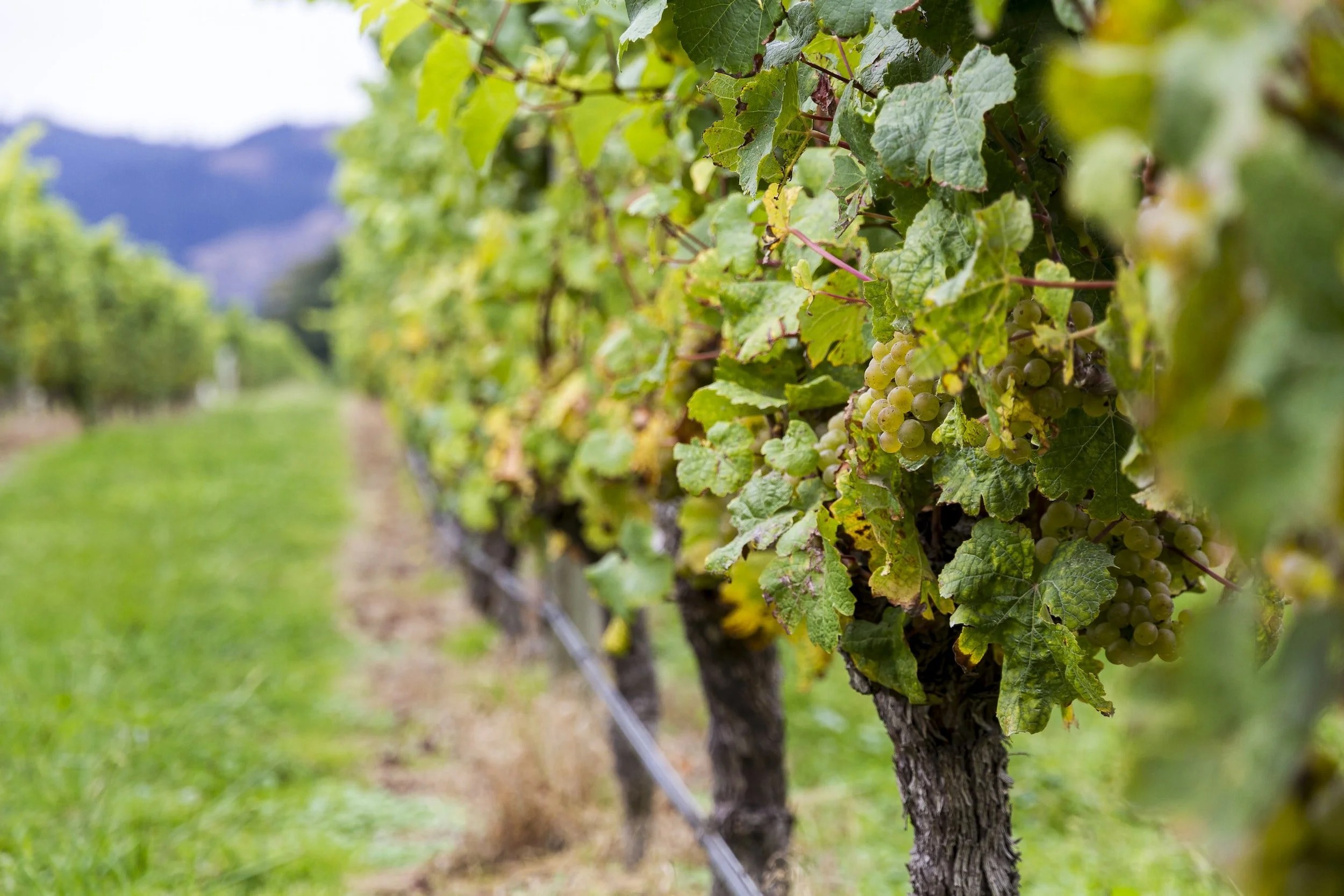
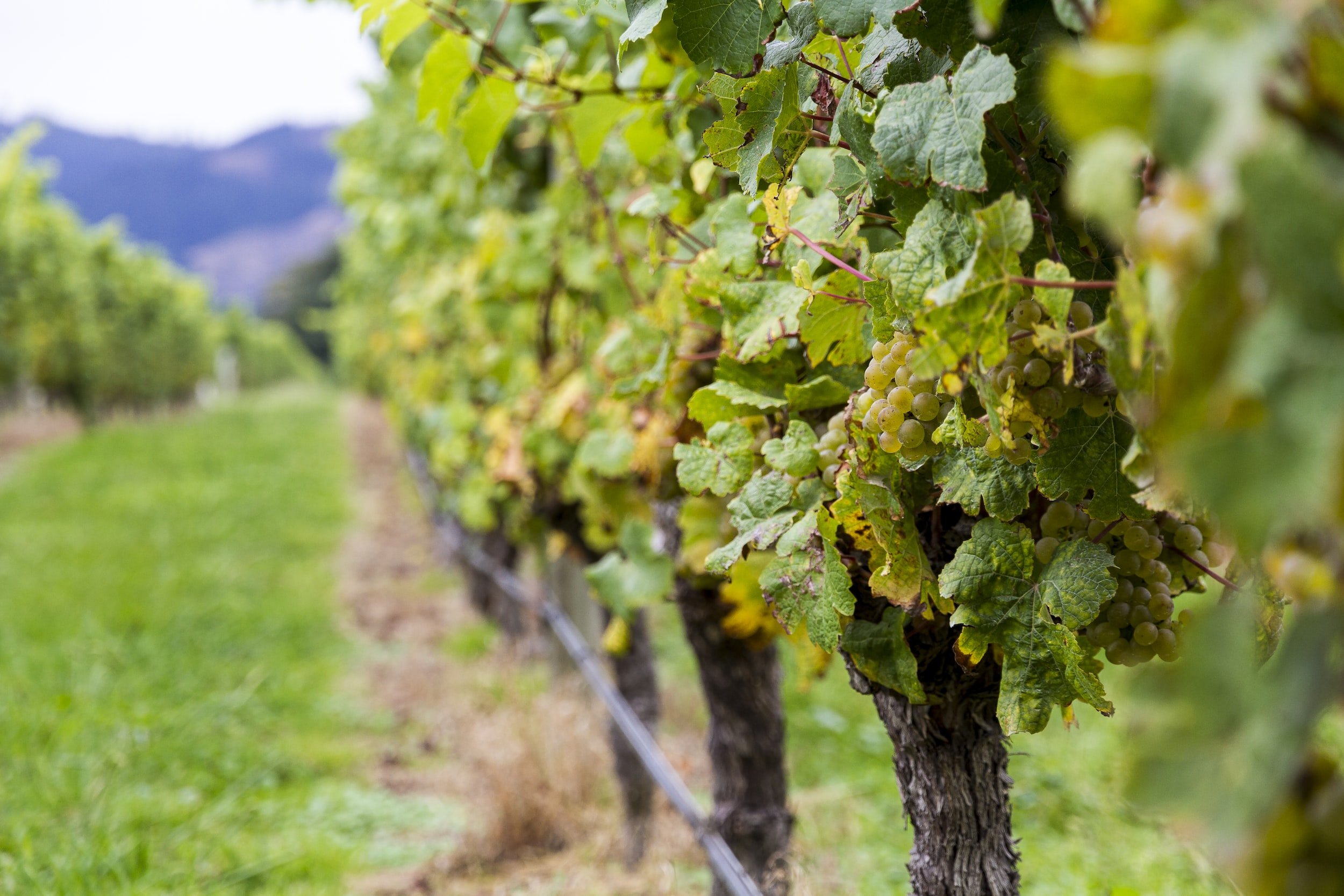
5 Cool Things to Know about Sauvignon Blanc besides that it’s delicious.
Sauvignon blanc is Cabernet Sauvignon’s mom! Or dad/parental figure. Cab Sauv was born when Sauvignon Blanc & Cabernet Franc spontaneously crossed one day in the Loire Valley, France.
SB’s flavor depends on where it’s grown. Warm areas like parts of New Zeland = more citrusy, tropical wine with guava notes. Cooler areas like France’s Loire Valley = more mineral, lemon zesty, gooseberry (like green plums). Experiment (sip sip) to find regions you like best!
If SB vines aren’t pruned suuuuper well and the leaves aren’t thinned back as the grapes mature, the fruit won’t get enough sun to ripen. This can produce grassy or bell pepper-like flavors in the final wine thanks to overproduction of methoxypyrazine compounds. Most winemakers consider this flavor the nemesis of Sauvignon Blanc and avoid it at all costs.
“Fume Blanc” isn’t a type of wine or an appellation wine. It’s a name that Robert Mondavi gave to his SB in the 1970’s because it sounded French and he wanted people to think they were getting a French-like SB.
Likely the ancestral home of the grape, the Loire Valley focuses on goat cheese AND Sauv Blanc. Perhaps not surprising, Sauvignon Blanc is amazing with goat cheese! This is great to know not only to show off at parties, but because you can project this combination out to other pairings. Nearly every Sauvignon Blanc from anywhere tastes delicious with goat cheese!
Cheese Culture Coalition in Action at CheeseCon!
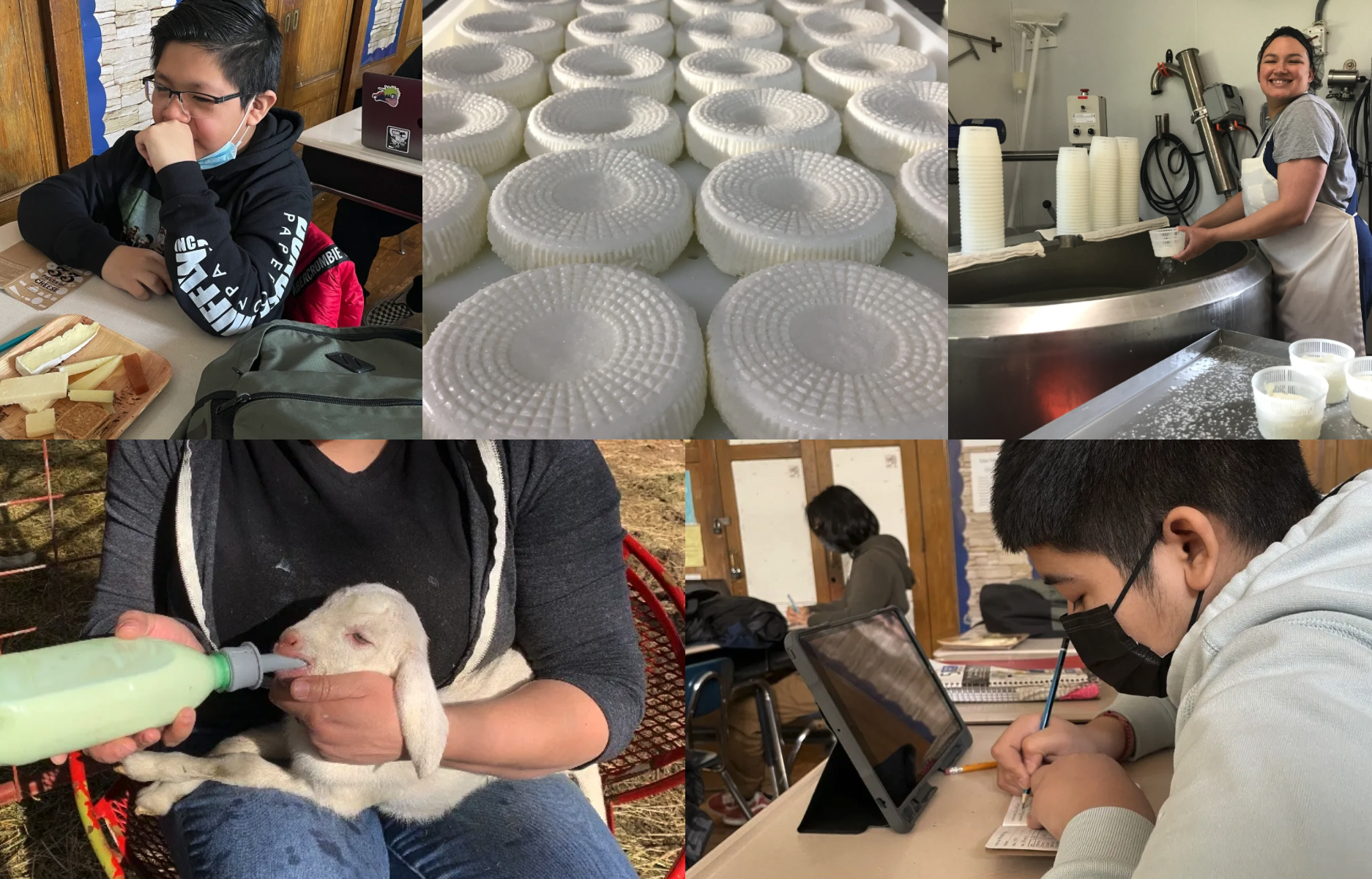
You may remember the creation of the groundbreaking organization the Cheese Culture Coalition in 2020. Led by a fantastic board of cheese industry professionals, the organization’s aim is to promote inclusion and equity in the cheese industry through BIPOC education. It’s a big goal, and an important one. If you remember the newsletter I sent out about them when they first formed, you might be wondering just what they’re up to right now. Answer- a lot.
First, they’re going to CheeseCon (otherwise known as the American Cheese Society Conference)!
Cheese industry folks, if you’re at the conference (July 20-23, 2022: Portland, OR.), hit up their table in the Supporting Trade Table section, which will have a signup for their about-to-lauch quarterly newsletter, and a raffle with stellar donations from Rogue Creamery, Jasper Hill Farm, Rumiano, and Board at Home.
Say hi! Sign up for their newsletter. Donate. Any person who donates to the CCC between July 20th and July 25th will automatically be entered into the raffle. The raffle drawing will be held August 8th and cheese prizes will be sent out in September.
What else have they been doing and how can you support them without going to CheeseCon?
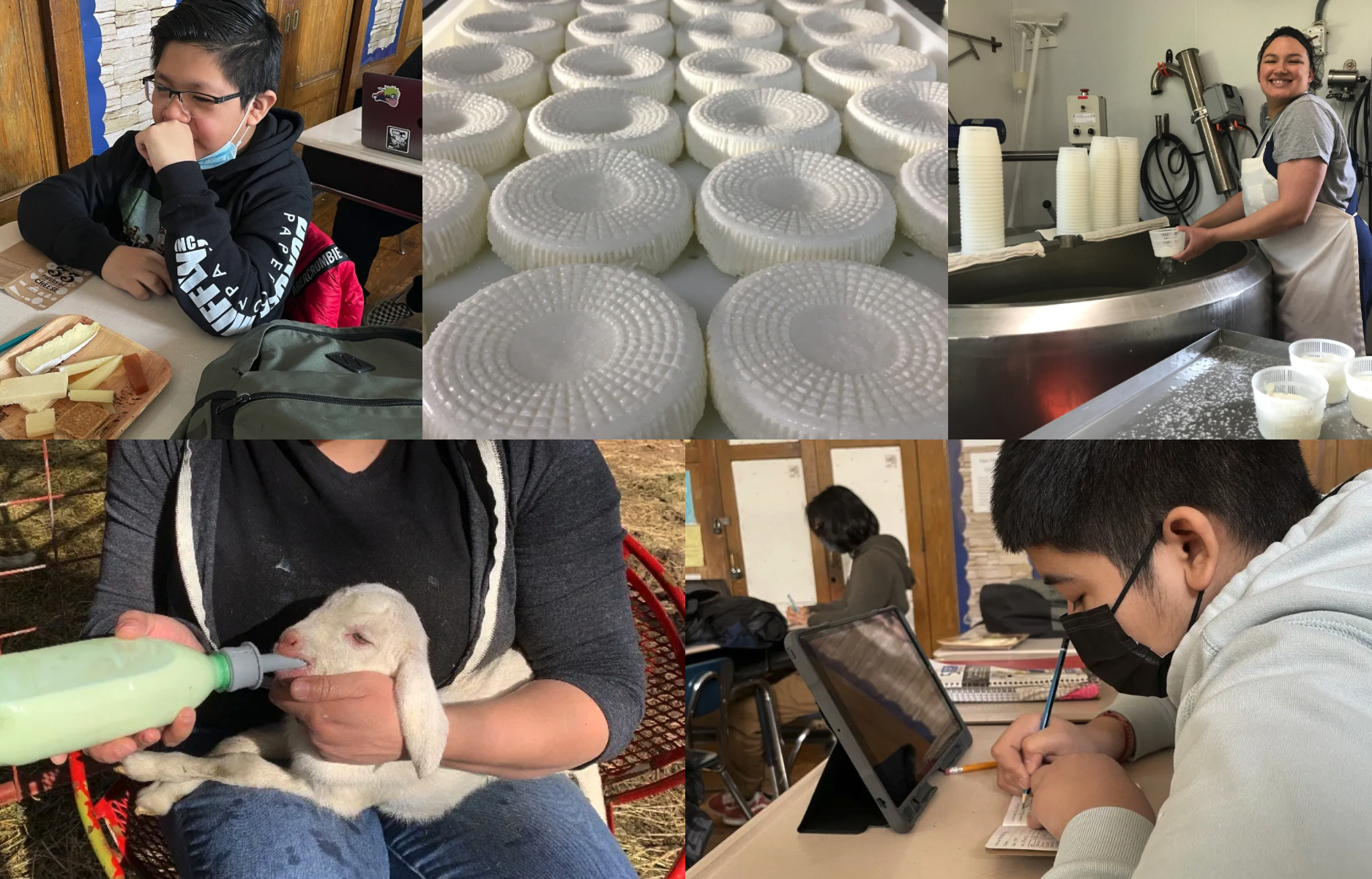
They’ve been sooo busy (did I mention yet that all CCC board members have full-time jobs and are volunteering for the CCC work?). When not preparing for CheeseCon and trying to get the word out there, they’re focusing on their youth outreach program- cheese education in elementary schools of underrepresented communities. In these classes, educators bring cheese to schools for children, and teach students about its flavors, culture, and history while they’re enjoying the cheese. The classes inspire cheese love, curiousity, and help to foster a feeling of belonging and access to resources in the cheese industry early in life.
To help with these efforts, please reach out about volunteering, or, donate! Donations help to fund this fantastic education and outreach.
5 Things to Know About Lambrusco/the Party in a Bottle Wine

5 Cool Things to Know about Lambrusco (plus some other stuff)
Rarely do I feel a joy so easy as one someone pops the cork on a bottle of Lambrusco. If you’re a Lambrusco lover, you know the feeling of bubbly red bliss, too . If you’re not, read on. It’s just because you haven’t had the right bottle of the best sparkling red in the world. (Spoiler: the best ones are dry).
5 Cool Things to Know
Lambrusco got a bad rap because it was the sweet versions, made in huge batches, were imported to the U.S in the 1980s when the drink became popular. When sweeter wines fell out of fashion, Lambrusco did too.
The grape used to make the wine is also named “Lambrusco,” but there are over 10 clones of it, and depending on the region in the Lambrusco appellation in which it’s made, occasionally another grape like Ancellotta is adding to a bottling to deepen the color.
It’s mainly made in Emilia Romagna’s provinces of Modena, Parma, and Reggio nell’Emilia, and a little in Mantova. Make a sparkling red wine in southern Italy? Can’t legally call it Lambrusco.
Because the Lambrusco red wine grapes are crushed and macerated with their skins on, they can produce a sparkling wine that’s shows dark red and black fruit, and have a touch of tannin. What does this mean? They are perfect with food. Cheese, here’s looking at you.
Found in small wine shops, mainly dryer Lambruscos (more my speed) fill the shelves now. This is what is normally consumed in Italy, and also by wine shop workers, so that’s why you didn’t see it before now this is why (we drank it up). See below for some winery recs.
The Grape(s)
Though there are many Lambrusco clones made, I’ve only spotted around three or so in the shops I frequent. Different clones grow better in various climates and soil types, exhibit different flavors, and, require different winemaking and viticulture techniques.
Here’s a quick look at 3 of my favorite Lambrusco clones. But these are just my current faves, try any you find! All bottles mentioned are dry wines.
Grasparossa is the second-most planted clone and tends to be the wine business’s (and my) fave. Grasparossa is grown on Castelvetro’s foothills, has low yields, and is a slower grower. It shows the most tannins, darkest color, fragrance, and is low in residual sugar. All this + cheese = a love match pairing for all times.
I love Lambrusca di Sorbara, but don’t be dissapointed if you’re expecting a dark sparkling. Sometimes it looks like a rosé it’s so light. Think cherries, strawberries, even orange, and floral notes like roses.
Lambrusca Salamino di Santa Croce is named salamino because it has salami shaped bunches (aww). Think of Salamino as like mixeing Grasparossa’s dark hue with some of Sorbara’s lighter aromas.
Bottles to Try
Zanasi Lambrusco Grasparossa di Castelvetro
Cleto Chiarli Lambrusco Grasparossa di Castelvetro
California, French & New Zealand Pinots- How are they Different & why Should you Care?

From Willamette Valley, Oregon to the Pflaz, Germany, there are so many great Pinot Noirs out there that it can be hard to navigate the options. So today, let’s narrow it down a little and look at a few regions that garner much of the Pinot spotlight, and how and why they’re different from each other.
If you’d like to learn about Pinot Noir’s claim to fame, there are 3 major world regions that get most the attention. California, France, and New Zealand.
Are they better Pinots than regions not discussed below? Though they’re amazing, not necessarily. But they do hog the international wine shelf space. And they are delicious! By learning what to expect from these guys, you’ll already know which country’s (or state’s) Pinots you prefer when you’re flying solo at a wine shop. Or, you can use these regions as a reference point when talking to a winemonger to tell them what styles you do or don’t like so they can explore even more Pinots.
Things to know about California, French & New Zealand Pinots:
California Pinots. A key to understanding California Pinot is knowing that unlike France’s, they’re meant to be enjoyed as throughly with and without food. This means you don’t need rich (or any) food to enjoy them—their acidity is low to medium. Cali Pinots tend to be soft, charm quickly, and although many can be, don’t need to be aged. Because the state’s weather gets warmer the further south you go, the fruit gets riper, too. This means the the further south you go, the bigger and fruitier the wines. Santa Cruz Mountain and Sonoma Coast are cooler areas (two of my faves), so their wines will be higher acidity, with lighter fruit- strawberry, rhubarb, and floral notes. San Louis Obispo and Pinot from warmer areas will taste more like cherry, cherry pie, be a little richer and broodier, and have higher alcohol.
New Zealand is a great place for Pinot because its cool nights baby the grapes, and its long, warm days have plenty of time to ripen them. Sound familiar? Yup, similiar to parts of California but with longer days. New Zealand wines also have full fruit, but tend to be a little less rich than California, have brighter spice, and a citrusy, zippy acidity. Oak can be lower than many California wines. They’re not necessarily created to age, but they could be (if you’re able not to drink them which is hard). Winemaking is new in New Zealand, expiremental, and much of the farming is organic or biodynamic. Though Marlborough wines were made famous by their tropical Sauvignon Blancs, I’m a big fan of Central Otago’s Pinots. Also good to know? NZ Pinots as a whole are much more moderately priced than California’s or France’s.
Time for the old school, classic region. The most heralded French Pinots are from Burgundy. And if you don’t mind paying a little more and love them, they’re worth it. I mean… they’ve been doing it long enough that they should know what they’re doing, yes? But expect to pay around $40 and up (quickly), so if you find one you like for $30, return to the store you bought it from and buy as much as you can because it’ll sell out quick! One can’t grow any other red grape in Burgundy and label it Burgundy unless its a Pinot, so you’ll always know what you’re getting. French Pinot Noir is leaner than NZ’s or Cali’s Pinot’s because it’s much cooler climate, and the wines are crafted to go with food, which softs the acid. The fruit will be much more subtle and sometimes dominant aromas won’t even be fruity! Prepare to hear wine geeky words like “earthy” or “meaty” used to describe Burgundies. *
Hint for buying Burgundies if you’re not familiar with domaines or are new to it-ask a winemonger for their picks. This is my script if if I walk into a wine shop with a price in mind, don’t have a lot of time to research, and want to drink my wine tonight- “I love French Burgundies but want something with lower acidity so I can drink it now, and am hoping to spend around $_ . I’m not really familiar with your selection. Do you have something that you’d like or recommend?” Also, you don’t have to buy a Burgundy! The Loire Valley (more here soon) has some killer Pinots that while not cheap, are easy to find under $40. I’ll talk more about these soon.