
The Cheese Blog

Making Old School Alpine Cheese in Dingle, Ireland - with SeaweeD

Some of you probably know of my adoration for Irish cheese.
The pastured cows on small farms that supply the rich milk from which its made. Its bright herbal and floral flavors. The island's penchant for stinky washed-rinds. The unbelievably beautiful Irish countryside that supports it. And its skilled makers, who though make wheels that rival Holland's goudas and Swiss mountain wheels, make their cheese modestly, while smiling.
This post is a photo diary of the time I spent with Dingle peninsula cheesemaker Maja Binder. Born in Germany and trained in the Swiss and Italian Alps, Maja makes gorgeous Alpine-style wheels with an Irish cheese accent.


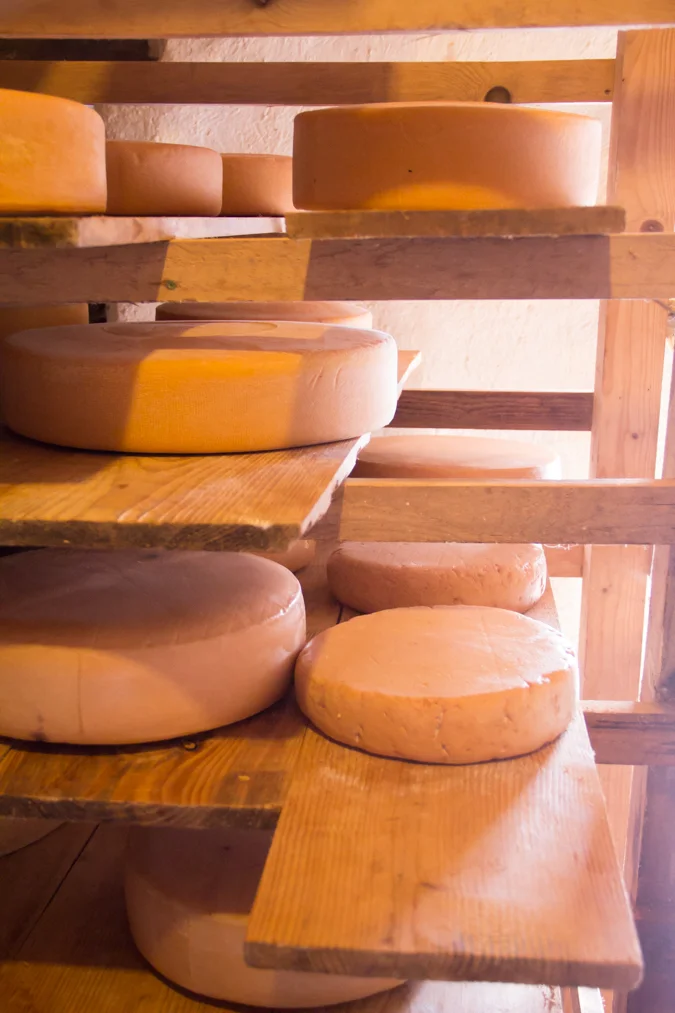
Think classic, aromatic, semi-firm wheels of the kind you'd find on Swiss farms- strong, sweet and herbal, but often with a little seaweed caught off the Dingle coast (which I was around on a warm enough day that I got to swim in!) mixed in to make some wheels like Diliskus.
Visiting Maja was amazing. She's as charismatic as they come. Energetic- she runs a cheese shop in Dingle in addition making her cheese on her own wheels, Maja is a vibrant cheesemaker who is one of the few people outside of the Alps who make their wheels with curds they gather with a cheesecloth they hold with their teeth. Really.
So she pretty much does everything.
I'm working on a writing project that will reveal more about this skilled cheesemaker later, but its a slow work in progress and I was aching to show you Maja's work in the meantime. The photos capture the story in color.


Traditional tools used to stir the curds in the vat


Me, stoked, on the Dingle coast.
Thank you Maja for letting me visit!

A Farm Visit to Milleens Cheese: Feeding Calves & Free Range Kids

October felt like a loooooong month- busy, car problems, job stuff, little time to write. Felt a little heavy. Then, this week hit, and suddenly last month felt as light and breezy as skipping through a field of poppies alongside a liter of puppies. When browsing through photos from my summer trip to Ireland this week, a few batches made me smile. One of them was from my trip to Milleens. For a little history about the creamery's impact on on Irish cheese, read more here.
Milleen's original cheesemaker Veronica Steele is as important to Irish cheese as Laura Chenel or Alison Hooper of Vermont Creamery is to the U.S. cheese movement. It's on her kitchen stove that she and other Cork cheesemakers learned how to make the washed-rind cheese for which the region is celebrated. Milleens is on my list of top ten washed-rind cheeses world-wide.
With a soft and wonderfully stinky rind and sweet center that oozes with age, Millens is saucer size and persimmon orange. Let's keep crossing our fingers it makes it to the states.


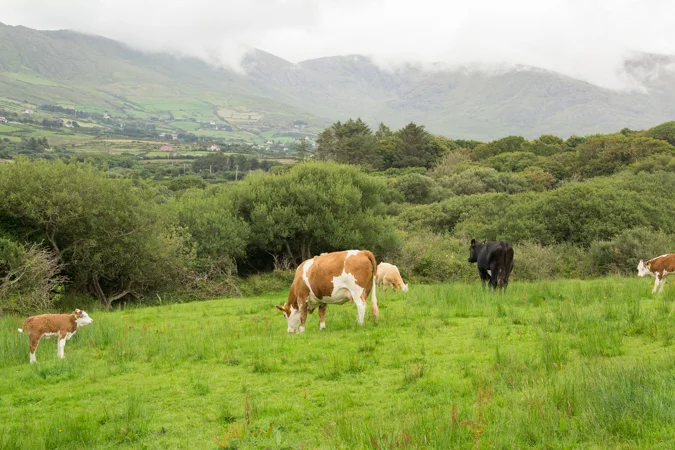
The creamery is in Eyries- a town alongside the rocky Cork coast whose three-to-four block town center is lined with bright blue, yellow, and fuchsia houses. Here I had the chance to join the Steele family (children of current head cheesemaker and Veronica's son, Quinlan Steele) in roaming the farm and feeding the baby calf who needed a little extra love until her mother grew used to nursing. I had wandered around the creamery and tasted different ages of the cheese on a previous visit a couple years before and walking around the farm this time was a perfect finale.
Revisiting the photos of the animals on the green Irish grass and and watching Quinlan's children eat blackberries from the hedges as they climbed the stone fences reminded me of how happy and welcomed I felt when visiting. In the middle of everything, it made me feel lighter.
Light enough to remember that even in a time of uncertainty and doubt, it's good to have hope. There are wonderful people out there and free range kids who make forts out of berry bushes. And after remembering my conversation with Quinlan (a sustainability advocate who is just a touch less passionate about his local community than he his about his children), inspired to be more active and vocal about what matters to me and treasured members of my community going forward.
Here is to hope, community, welcoming strangers, and free-range kids with blackberries on their faces. And amazing funky-sweet Irish cheese.
Thank you for the visit, Milleens!


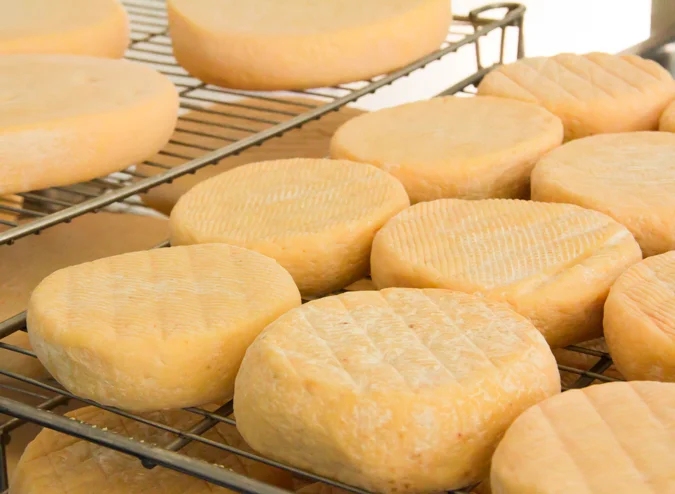
Irish Cheese: Is Cork the Washed-Rind Mecca? A Visit to Durrus.

Irish cheese Durrus
Traveling for weeks in Ireland visiting cheesemakers taught me three things. One, sometimes when driving along the Emerald Isle, even the weeds are so beautiful you have to pull over (magenta and purple fuschia, tufted vetch grow here like blackberry vines do in Seattle). Second, you can get better seafood at nearly any roadside pub or diner than you can at most high-end restaurants in New York City. Third, I could live a happy cheese life in the washed-rind cheese land of Cork, otherwise known as the Mecca of Funk.
Irish cheese: Cork washed rinds

Irish cheese maker Jeffa of Durrus on right, stirring the curds.

Cutting the curd is a two-person job.
Across the pond, Ireland is widely known for its larger scale cheeses like cheddar.
But among stinky cheese lovers, those who deeply inhale the scent of Époisses, Limburger or Grayson when others crinkle their nose- Irish cheese is known for its funk, or, its washed-rind skills. Especially in the land of Cork.

Jeffa’s daughter, Sarah, who arranges tours and makes cheese two or three days a week.Jeffa's daughter, Sarah, who arranges tours and makes cheese at least two days a week.

Reaching for Durrus
What is a washed-rind cheese?
A washed rind cheese is a wheel whose rind is rubbed down with a brine as it ages. The brine is a combo of water and salt and often a splash of booze like whiskey, wine or beer.
“Washing,” or rubbing the rind as the cheese matures encourages the growth of bacteria like B. linens bacteria. As they break down the cheese's proteins, they turn rind orange, the smell funky, and the inside very, very sweet.
Legend has it that a Benediction monk created washed rinds back in the day when he rubbed a monastery cheese he was making with some nearby monastery liquor because he thought it would help heal cracks that formed on the rind. It worked. And more.


The view from Durrus’s dairy window.
Why artisan washed-rind cheesemakers in Cork?
Three reasons. See one above.
1. It's a gorgeous, rocky, seaside land covered in ferns and red flowers that is as welcoming as a bubble bath and a glass of wine at the end of a long workday. People want to stay. See that woman holding the pail below? She's taking the whey from Durrus creamery to feed her pigs at her piggery. She was American. Now she's American-Irish. She came and never wanted to leave, so set up a piggery and stayed. Many cheesemakers have made Ireland their home from places as near as England, and as far as Holland and Germany. Many brought with them their cheesemaking knowledge or congregated together to learn.
2. The sea air loves the bacteria that makes a washed rind a washed rind, and much of Cork is oceanside. Most cheesemakers add B. Linens to their brine, or to their milk. But often if Cork, you don't need to if you're close to to ocean. The salty sea air and humidity acts as a siren to the funky bacteria that lives ambient in the air.
3. Artisan cheesemaking hit it off in Cork in the late seventies and eighties when a group of hippies gathered around the kitchen stove at Milleen's in Eyries, Cork. They had dreams of living sustainably and independently off their own land and knew cheese would help them do this. When the group realized that washed-rinds excelled in Cork, they stuck with it and mastered the style. Veronica Steele of Milleens taught Jeffa Gill of Durrus and Mary Burns of Ardrahan, then Jeffa taught Gubbeen, and the rest is funky history. Since then, the creameries have each taken on their own flavors, textures, and fans, making Cork the center, or, Mecca of Washed Rinds, of I'd like to argue, anywhere.


Using a pump to get the curds from the vat above to the molds below.

The last time I was in Ireland, August, I spent a couple days with Jeffa. She makes Durrus, the cheese pictured in this post. Starting out sweet, rich, and fluffy when young, as Durrus ages it softens around the edges and takes on a beefy and funky complexity. It's a beautiful cheese that's available in the states, often by special order. It was an honor to see her make it, and because they were short a person, I was able to sneak in and flip curds. Yes.....
Thank you, Jeffa, for letting me visit.
Long live Irish washed-rinds.

Coolattin: Irish Cheddar, Raw Milk, and Grazing Ladies

Despite the awe-worthy Gothic inspired architecture, amazing music and super nice people, I couldn't wait to leave Dublin for Wicklow County. Why? Cheese. We were visiting Coolattin Irish Cheddar producer Tom Burgess, someone whose cheese I hadn't yet tasted because none of the 70 wheels he made a week made it to the states, but I was aching to try.
Around the UK and Ireland, Burgess's cheddars have been making waves. In 2015 he won both Ireland's Best Cheddar and gold, silver, and bronze medals at the British Cheese Awards. Not too surprising that all the cheese was eaten up before it had a chance to hit California. Perhaps you're wondering with so little access to the cheese, how did I hear about the creamery?
Well because Mr Declan O'Brien, the man who did much of the ground work for the Cal Discoveries Irish Cuisine & Culture tour I guest-lectured on, played rugby with the cheesemaker.
And, that's how cheese writers learn about cheese, my friends!

Tom and his family invited our group to tour the dairy, then head to his gorgeous house to drink tea in the kitchen with his family. No biggie, just drinking raw milk from their herd in our tea while eating huge amounts of cheddar and snuggling with farm kittens in their house. The cheese was beautiful, and... almost as memorable, I had the opportunity to name a farm kitten (Susie)!
The story of Coolattin cheddar starts in 1987 with a fluctuating milk market.
Tom bought the farm in 1987 and like many farmers frustrated with with the EU milk market and quotas, decided to reclaim control of his herd's milk and pull it out of the system all together. Making cheese from that milk instead of selling it to processors would allow him to control where the milk was going, who was using it (him), and because cheese was a value-added product, he could set his own prices (many American dairy farmers have also made a similar move).
So Tom started experimenting with his herd's raw milk in his kitchen. Like all burgeoning cheesemakers, he had some misses, then, hits (you also wait six months or more before your creation is ready to sample), then found his groove. He took his young cheddars to farmer's markets to see if it would sell, and came back without any cheddar. A sign. Soon after, he hired English cheese consultant Christine Ashby, a Stilton and cheddar specialist who with worked at Montgomery's Cheddar, refined his wheels, then went commercial.




Tom has 3 rules he stands by for Coolattin Cheddar.
It's made from raw milk only.
He only makes Coolattin in the seven months of the year when his ladies can graze on fresh grass (tastes better, and according to Tom, "really freed up my time").
He will only milk his animals once a day to give them a little rest. Most cows are milked twice a day.
Coolattin cheddars are sweet, grassy, meaty (think rib-eye fat), and become more intense (but still sweet) with age. They're lovely.
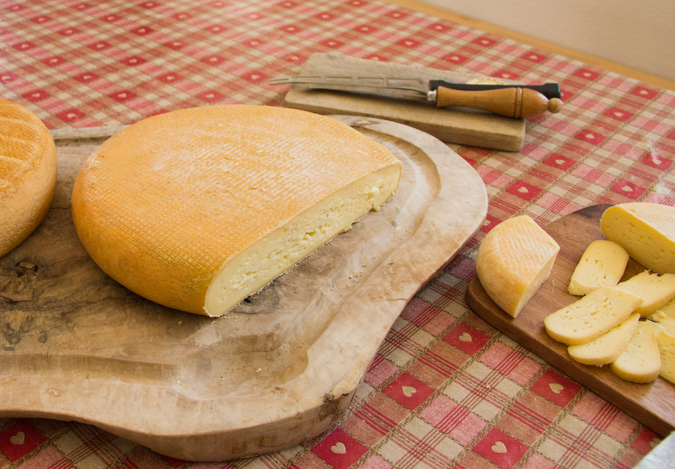
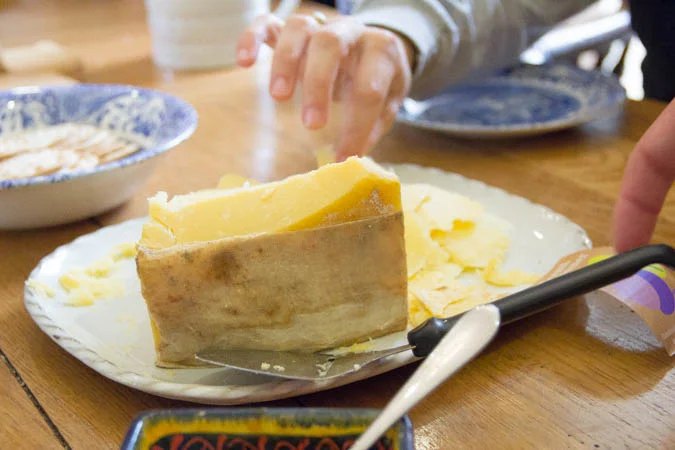
The wheels pictured here with natural (food-safe) red coating are his original style of Coolattin. With the urging of Slow Foods, Tom started making a bandage-wrapped style, below, and a year later that cheddar won gold, silver, and bronze at the British cheese awards. Score.

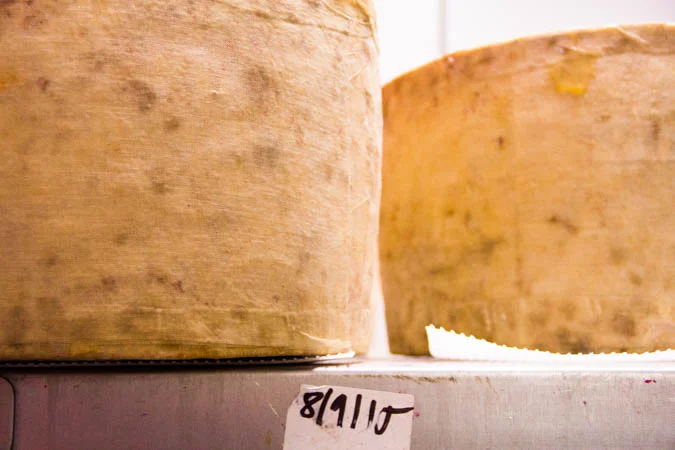
Tom has plans to grow, so let's cross our fingers that Coolattin makes it here soon. Right now he has the help of cheesemaker Ritchie (who also gives historical neolithic site tours in Wicklow), and his son just might be edging his way into the make room too. If you make it over Ireland, reach out. They're a kind family, they serve you raw milk with tea, the cheese samples are amazing, and come spring and summer there might be farm kittens.
Thank you for the visit, Burgess family!

Tom demonstrating how he uses the cheese harp (knife) to cut the custard-like fresh curd. This is the first curd cut before milling.
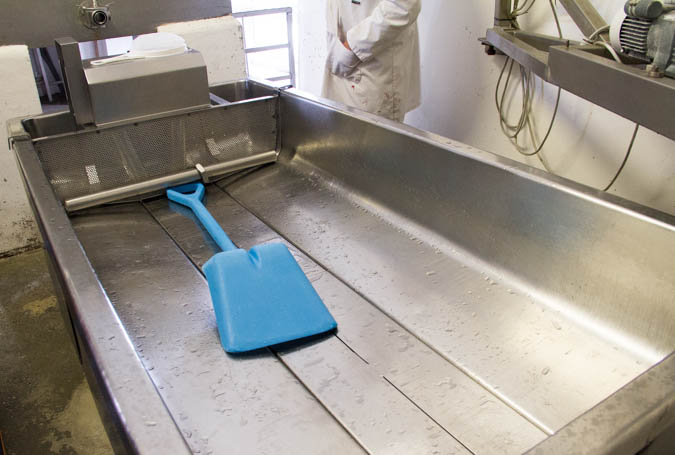
The shovel used to push lift curds into the milling machine.

Tom took off the funnel top of the milling machine to show the mechanical magic inside. He puts the curds in, and the pegs chop them up to so they’re perfect to press into wheels.

Coolattin dairy – where The Cheese is made.

Susie, photo by Haley of Cal Discoveries UC Alumni Travel.
Irish Tour First Stop: Dublin. Cheese, Sugar & Pubs.

If you've been wondering where I've been for the past few weeks and haven't been following my Instagram feed pics of the greenest hills on earth, farm kittens, and wheels upon wheels of Irish cheese, I'm happy to share that I've been on an Irish-culinary-cheese-venture. Officially. I had the honor of guest-lecturing a UC Berkeley Alumni Cal Discoveries Culinary & Culture tour of Ireland. As the resident tour cheese expert, I got to craft a tour shaped entirely around where I wanted to visit and eat cheese. I felt immensely lucky. It was dreamy, and put us in some of the most beautiful places around the country, like West Cork and Wicklow counties to visit dairies like Coolattin Cheddar and Durrus Cheese. More posts to come about those visits. The trip started in Dublin with the group and and ended with me staying on solo to visit cheesemakers on my own, with my last day on Dingle Peninsula. More photos of that too.
If you saw someone swerving along the Wild Atlantic Way on the left hand side of the road, but driving maybe a little more on the right hand side of the road, that was me! Sorry about that right hand turn.
This is my photo tour of some of my favorite stops in Dublin, where it all begin.
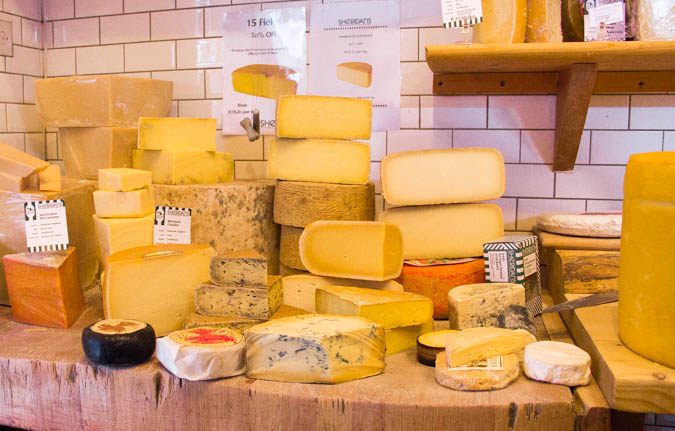
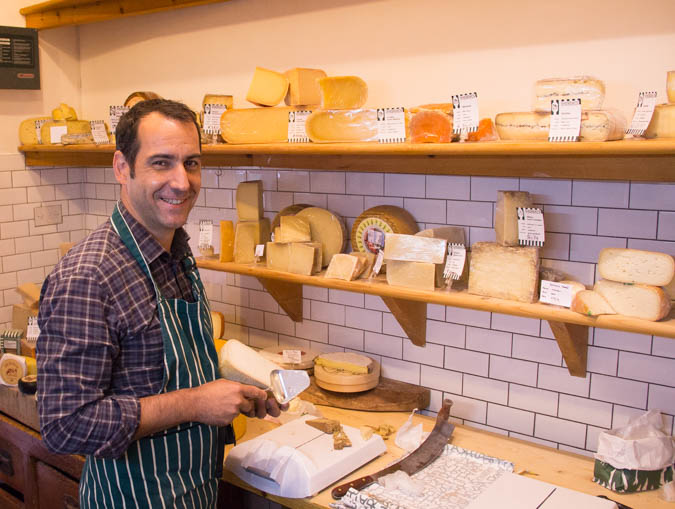
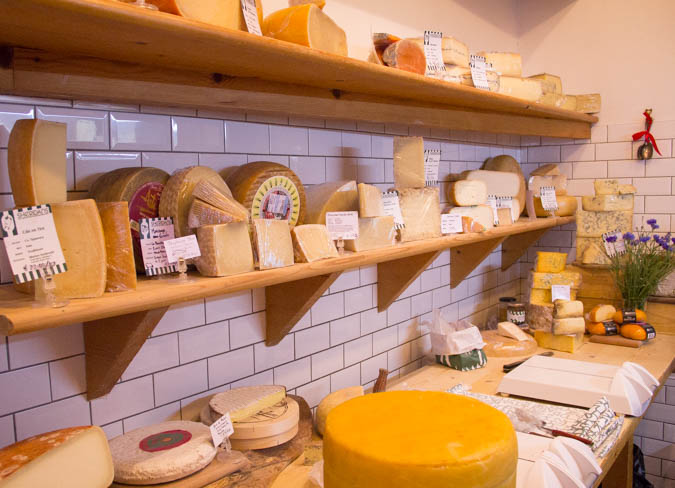
Obviously, travel starts out best with cheese. So I reached out to my friends at SheridansCheese and asked for a group Irish cheese introduction tasting. It was wonderful. With shops like The Pig's Back, Mannings Emporium and The Little Cheese Shop of Dingle, Ireland has no shortage of wonderful cheese shops, and Sheridans is the best in both Dublin and Galway. Highlights of the tasting were Milleens, Cahsel and Crozier Blue (often available in the states), Durrus, and a raw milk robiola style cheese whose name I forgot because I selfishly blanked out because it wasn't available in the states. John, below, was our cheese man. He moved form France around ten years ago and has been with Sheridan's since.
If you're on your own in Dublin, I'd recommend looking into Fab Food Trails. Dublin is navigable enough, but it's a city with delicious things tucked in hidden paths and corners. This tiny walking tour company worked with us to curate a custom tour around the city.
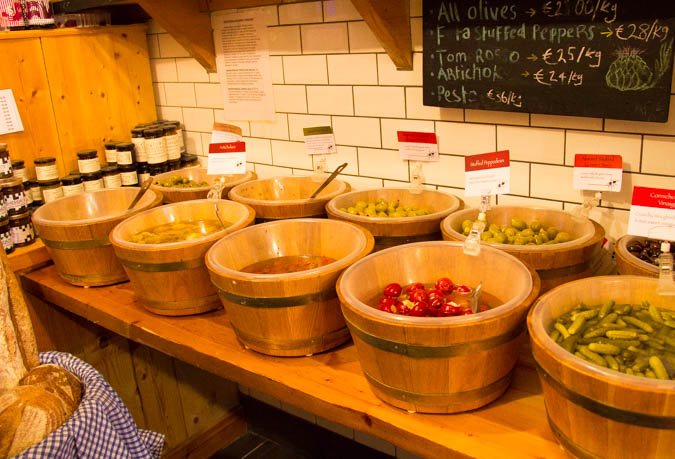
One of our stops was The Pepper Pot, housed in a shopping arcade. Reasons why we loved it are below.
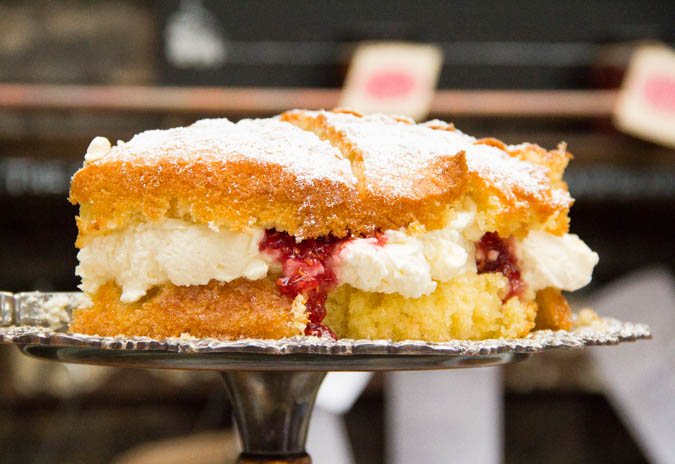

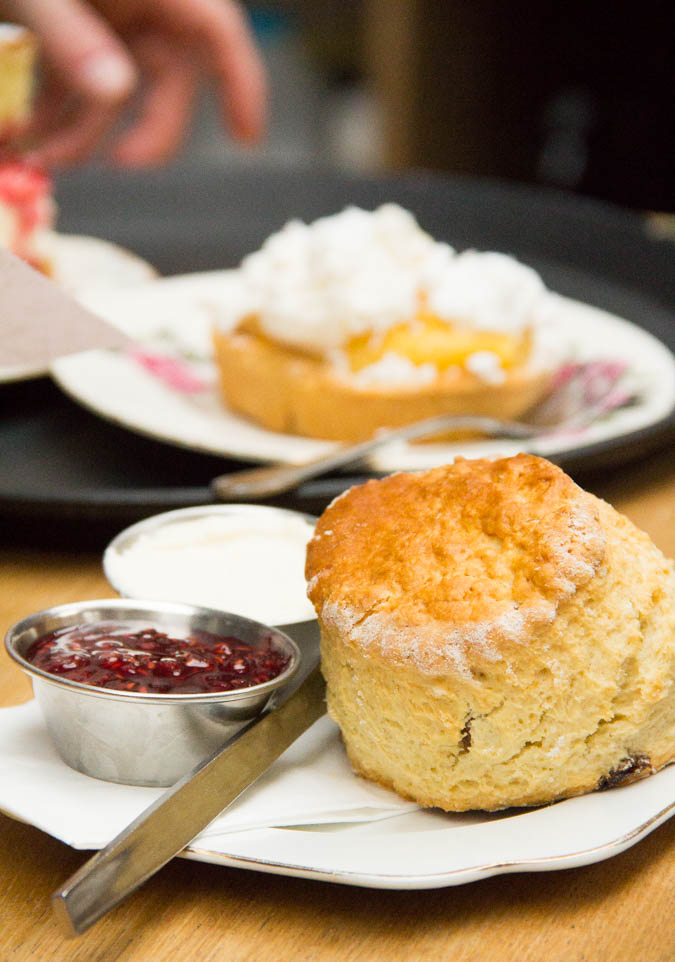
Then we headed to the Temple Bar District.


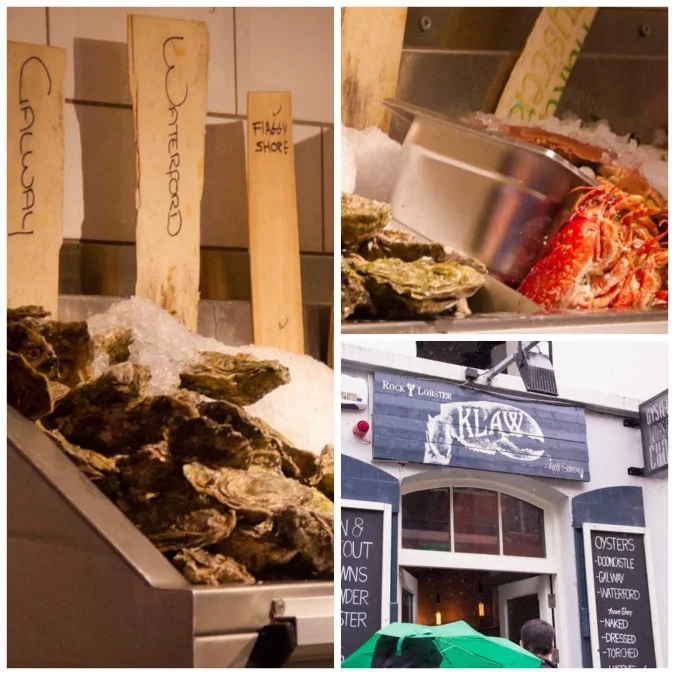
A great straight-up seafood spot was Klaw. Crab-shack dining style, raw oysters, housemade gravlax, east coast lobster rolls, and Picpoul wine from the southwest of France to wash it all down. Delicious. I hear their happy hour is a rager.

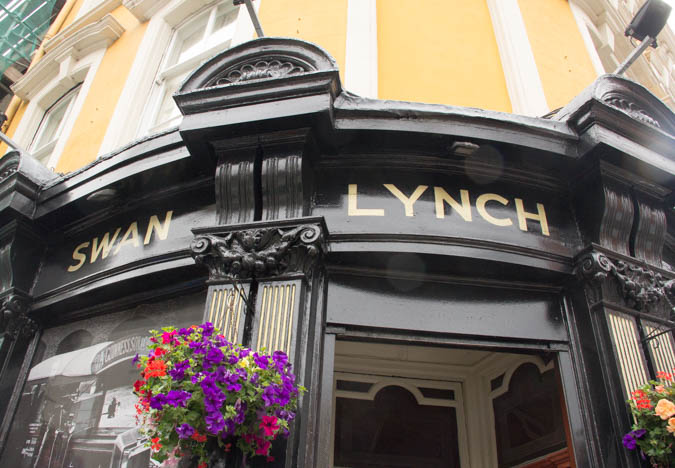
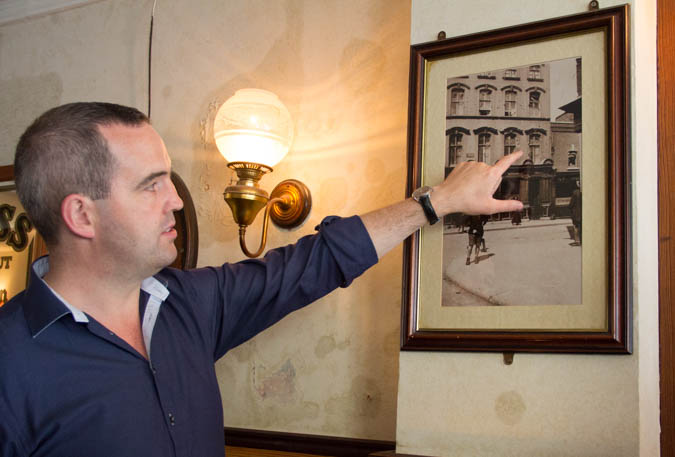
Then there was The Swan Lynch pub. In case you're wondering, yes, Guinness is their best-selling beer. In 1916 a group of Irish Republications published the Proclamation of the Irish Republic, and Ireland was commemorating the document that lead to the country's final independence in 1922 when we were there 100 years ago. Dublin was a center of action. Below, Swan Lynch's owner Danny points to bulletholes in the wall of a neighboring building where the IRA used to gather. In general, Swan Lynch has been an epicenter of Dublin life for years. Danny's father, an amateur rugby player who traveled the world playing, also brought in sports fans to the bar. And in true Irish fashion, the bar sill has hidden spots where men could stash their alcohol when women entered the bar because it wasn't considered polite to swig in their presence.
We all, however, sipped 12 year whiskey with Danny.
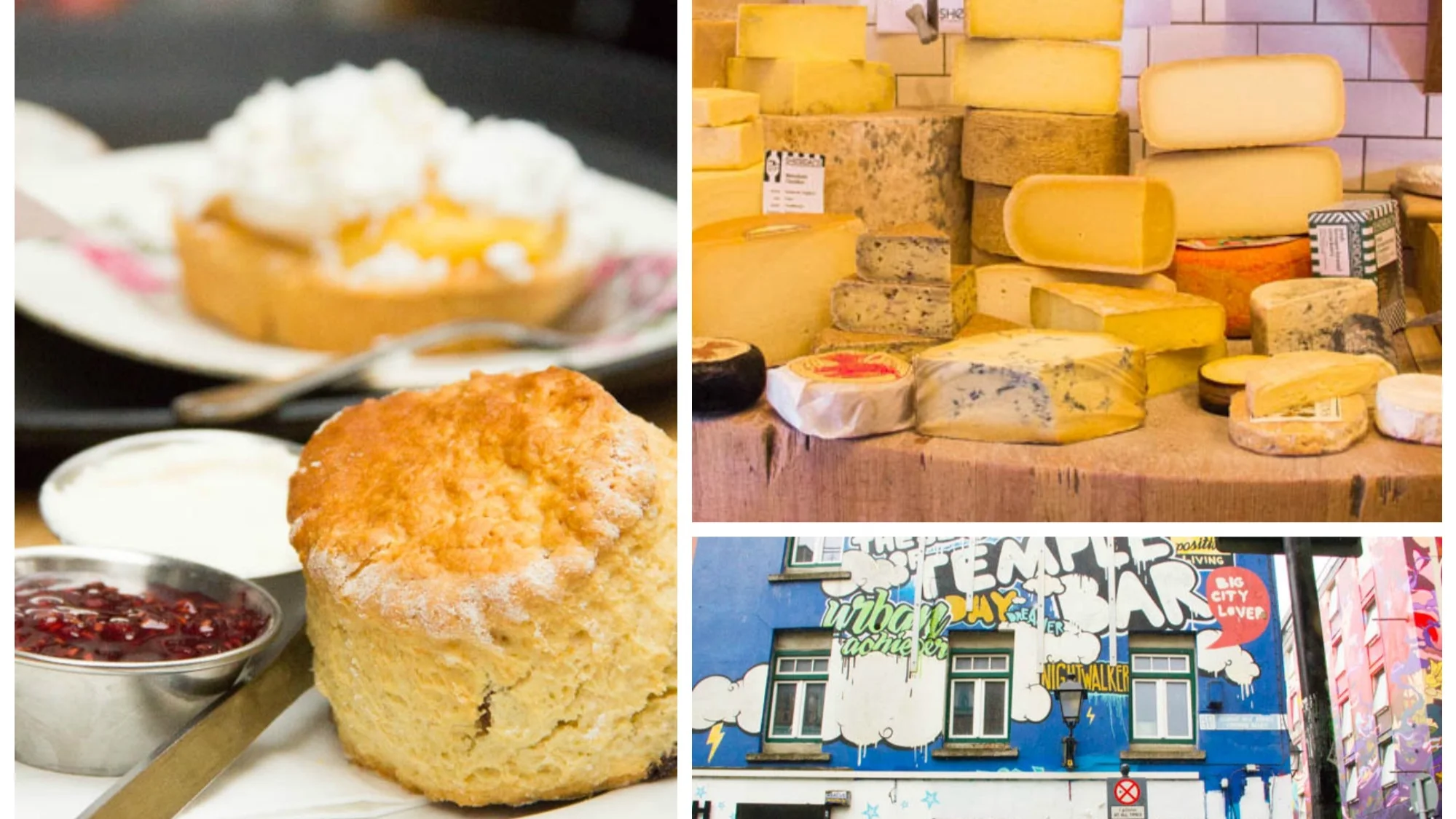
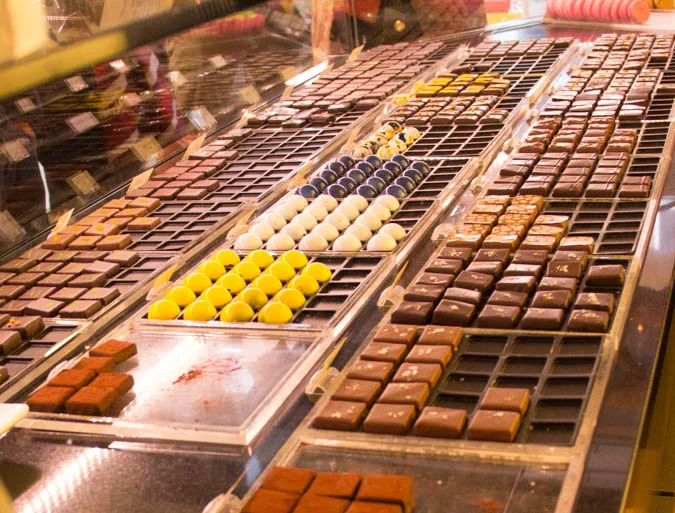
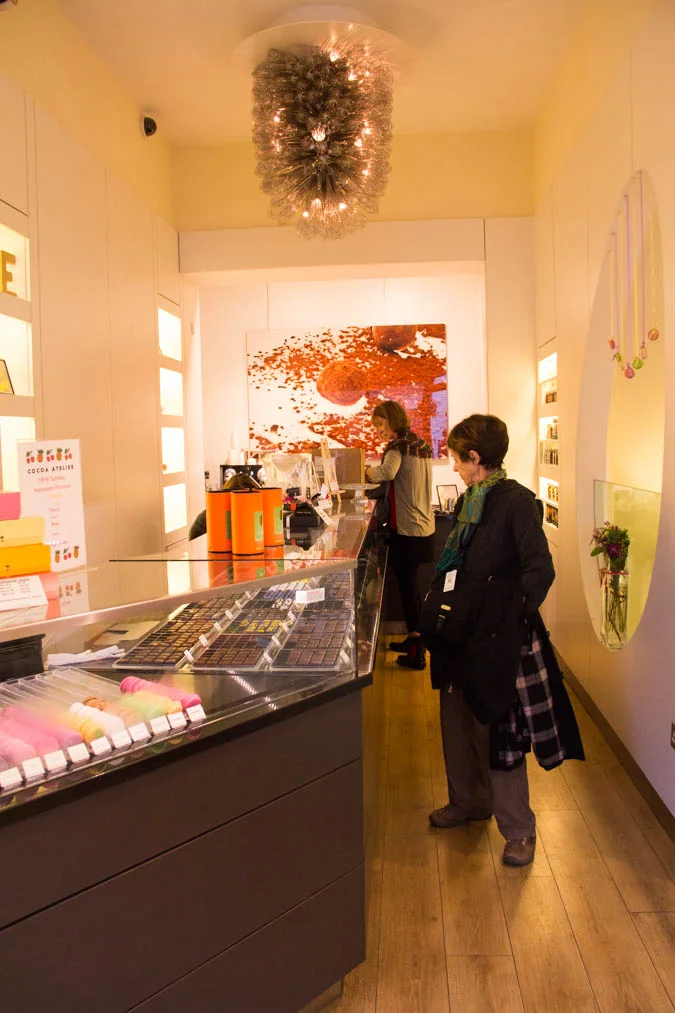
We also ate sweets besides the scones pictured at Pepper Pot. If you need a chocolate fix in Dublin, head to Cocoa Atelier. They do earl grey truffles like no one's business.

More Ireland to come.