
The Cheese Blog

La Dama Sagrada, the Franco Regime & Spain's Cheesy Comeback

Dama Sagrada cheese
Spain has long been celebrated on the cheese board for its sheep's milk Manchegos, marcona almonds, and its sycamore leaf-wrapped Valdeon. The tiny prodcution Dama Sagrada, however, just hit California around 2 years ago.
Arriving late to the cheese party isn't unusual for an artisan Spanish cheese.
French's fromage has more love letters written to it than Catherine Deneuve. Parmesan graces more fridges than the number of well-dressed men leaning against espresso counters in Italy.
And Spanish cheese? Well? There's The Telling Room (4 to 5 stars), then... blanks. No TV shows about the goats that pounce the hills of Catalan who provide the milk for Garrotxa cheese. No musical break-out hits declaring eternal love for the thistle-rennet queso of Extremadura.
The reason why reads like a movie script.

During the Franco Regime from 1939-1978, artisan cheesemaking was banned. If you couldn't make top-selling Manchego or didn't have an industrial creamery that would, in Franco's view, drag Spain into modernization, you weren't allowed to make cheese. This meant that if you crafted tiny wheels from ancient or family recipes, you were torn from your calling. Some cheesemaking families went underground, but more stopped making cheese altogether. Many recipes were lost.
After Franco's death in 1975, Spain's revival, and the cheesemaking revamp was slow. There was little support for Spain's countrymen or its producers. Luckily the industry slowly regained its footing.
And ten or so years ago, Spanish artisan cheese once again started stealing hearts. La Dama Sagrada cheese is one that's won mine.
The Sacred Lady, otherwise known as Buy it When You Can, is made in La Mancha. It is robust, spicy, sweet when young, and peppery with age (or if you loose it in your fridge for a month, ahem...). Made with goat's milk in Manchego territory, La Dama Sagrada would have been impossible to sell abroad during Francoist Spain because it would have drawn attention away from the wheels that earned the country $$$, like Manchego.
In fact, La Dama Sagrada cheese is small production (I got mine through Food Matters Again distributors in Berkeley Via Forever Cheese) that if you spot a wedge of one, it's like sighting a Spanish cheese unicorn- a sign of good luck.

Dama Sagrada cheese with honeycomb
This goat's milk wheel is worthy of a cheese board or being shaved over summer's salads or grilled red peppers or peaches. Try with honey, honeycomb, or if thinking wine, pair with something equally peppery and bright like a Garnacha or Verdejo.
Montealva: The Newest Spanish Cheese to Hit our Shores
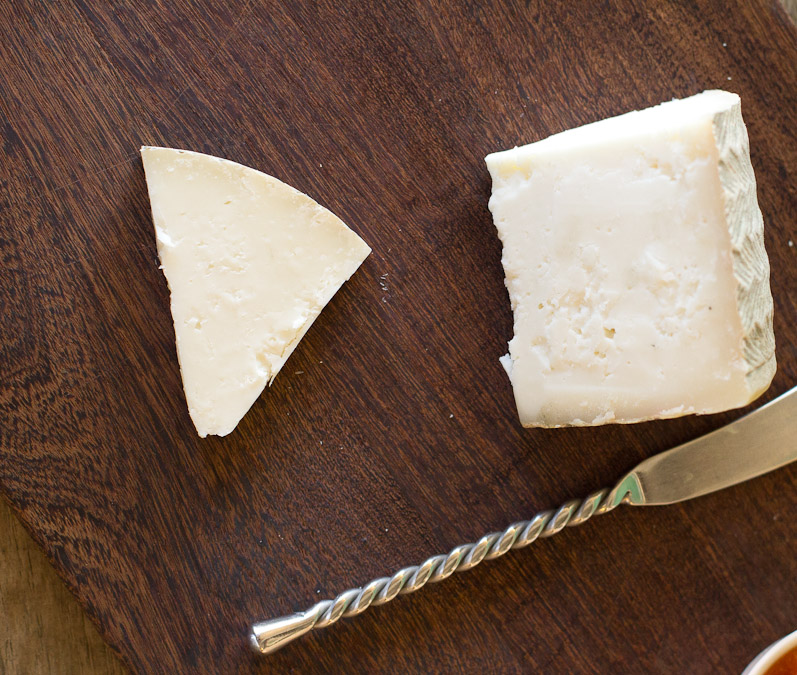
Distributed by Cowgirl Creamery in California, Montealava is a pasteurized goat's milk cheese made in Andalucia. It has fresh, lightly green herbal and citrus notes, flavors of untoasted hazelnuts, and a rich sweetness acquired through 60 plus days of aging. I've even heard people say they taste mustard notes in the finish.
 The amount of times a "new" Spanish cheese appears in the United States is about as often as I've said no to a pint of peanut butter and chocolate ice cream. So about once or twice a year or so (I make an effort not to walk down the frozen sweets aisle in the grocery store or look ice cream in the face). So when we get a new one, it feels pretty special. Montealva is the latest Spanish cheese introduction to our west coast.
Distributed by Cowgirl Creamery in California, Montealava is a pasteurized goat's milk cheese made in Andalucia. It has fresh, lightly green herbal and citrus notes, flavors of untoasted hazelnuts, and a rich sweetness acquired through 60 plus days of aging. I've even heard people say they taste mustard notes in the finish.
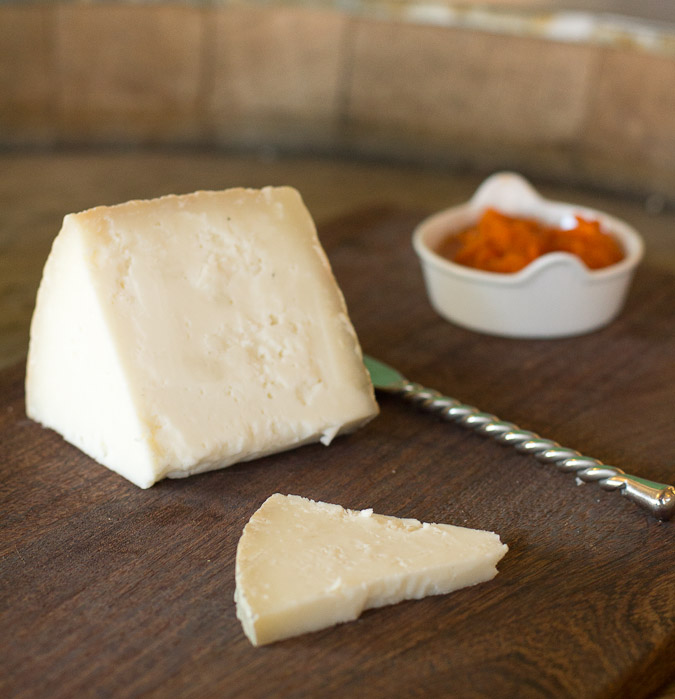
Though it seems to come in various ages, the one that we get is around two months. This seems to be a sweet spot for people for aged goat's milk cheese. When it's young yet firm like this it can even appeal to goat cheese newbies because it doesn't taste too punchy. Like it a little punchier? Try Achandinha's Capricious.
The Alvarez family makes this sweet bright cheese from the milk of their 450 Payoya Andalucian goats. Fun fact? This breed was practically saved from extinction because they make such tasty, rich milk. They don't make much of it, but people who make cheese with it claim its richness is worth the effort. The Payoya have elegant curving horns, are born to climb the rocky hills of the region, and adorable curly tails. Those herbal notes you taste in the cheese? That's what those lucky foragers are snacking on in the hills.
Wine Pairing:
Last week I taught a Rich Wines and Decadent Cheeses class at The Cheese School of San Francisco and we served this in it (hello high butterfat goat's milk). While this is a cheese that really went with any wine from un-oaked to oaked, it really shined with the heavy Roger Perrin VV French Syrah and the raspberry-noted Green and Red Chiles Valley Zinfandel. If I was at home cooking and needed a pre-dinner snack, I'd slice up a few pieces of Montealva and eat it with Andaulician's wine gift to the world- a dry sherry. I love it with en rama-style, unfiltered sherry like Hidalgo's.
Food Pairing:
Olives! Keep an eye out for a marinated olives recipe that would pair perfectly with Montealva. See that Friends in Cheese carrot marmalade in the pic? That's good with it too. I also like Montealva shaved over marinated Spanish boquerones.
Lastly, be sure to check out my blog next week. I'll be giving away tickets to the Cheesemongers Duel at the Calfornia Artisan Cheese Fest!