
The Cheese Blog
ACS Winner Crown Finish Caves: Tunnels, Booze & Affinage
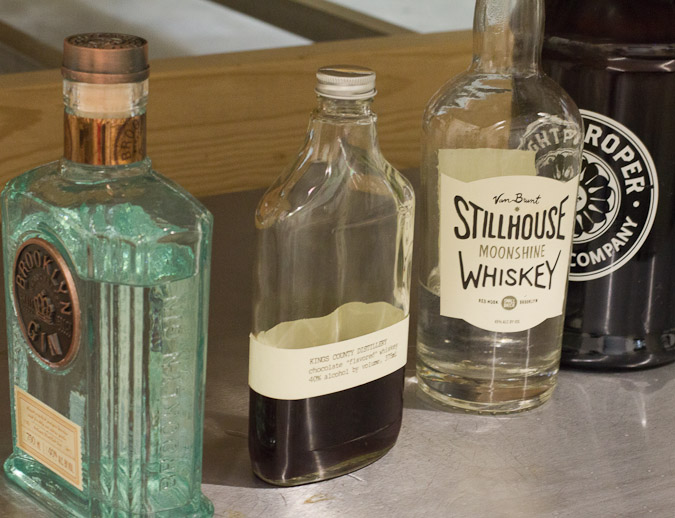
 Last week I wandered the underground tunnels of ACS winner Crown Finish Caves and have decided what I want to be in one of my next lives. Paymaster. A pampered little cheese kept in a perfectly humidified and air-filtered environment that gets washed down in Kings County Distillery chocolate whiskey daily.
The American Cheese Society Conference is a chance to do many things. See friends from all corners of the country who sling or coagulate fermented milk- often all at once, and in a karaoke room. An opportunity to try cheese from creameries I can't get my hands on in California -here's batting my eyes at places like you, Ruggles Creamery, Chaseholm Farm, and Goat Lady Dairy. It's also a chance to visit fantastic affineurs like Crown Finish, shops, and cheesemakers near the conference.
Last week I wandered the underground tunnels of ACS winner Crown Finish Caves and have decided what I want to be in one of my next lives. Paymaster. A pampered little cheese kept in a perfectly humidified and air-filtered environment that gets washed down in Kings County Distillery chocolate whiskey daily.
The American Cheese Society Conference is a chance to do many things. See friends from all corners of the country who sling or coagulate fermented milk- often all at once, and in a karaoke room. An opportunity to try cheese from creameries I can't get my hands on in California -here's batting my eyes at places like you, Ruggles Creamery, Chaseholm Farm, and Goat Lady Dairy. It's also a chance to visit fantastic affineurs like Crown Finish, shops, and cheesemakers near the conference.


My friend Kathleen Cotter of the The Bloomy Rind and I usually team up for visits. The process normally looks something like this. We excitingly call each other three months before the conference, decide we want to visit cheesemakers galore, then promise to email with follow up research the next day. Then, two months later we send each other an email saying we've been busy and will follow up the next week. We repeat this a few times. Two to three weeks before the conference, we make a plan!
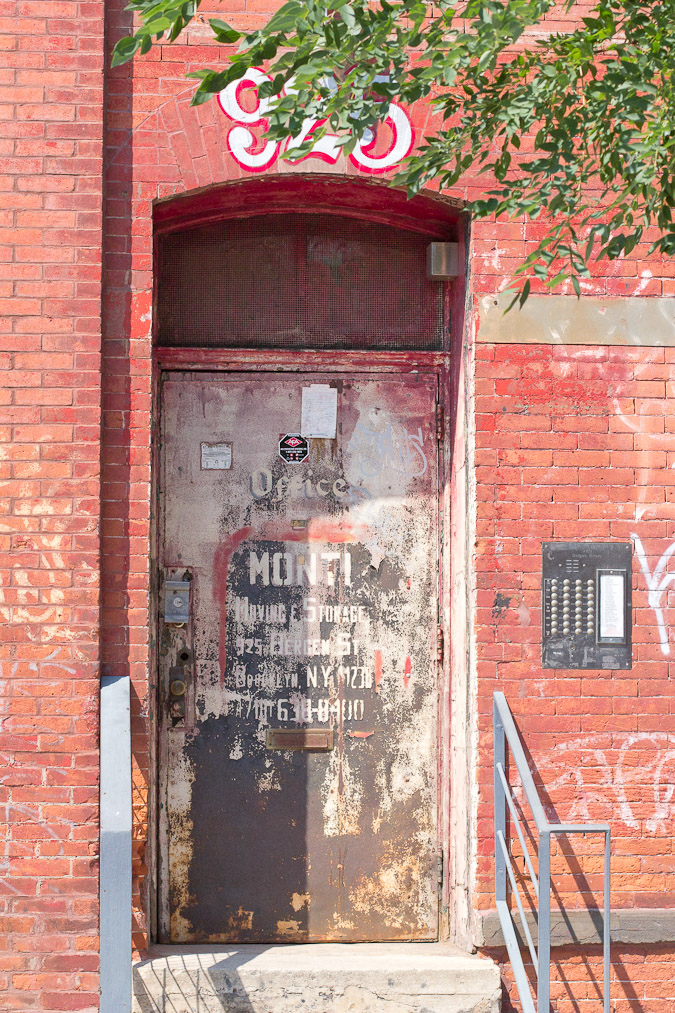
Because ACS was in Providence this year, we had a wealth of east coast spots to visit all over Brooklyn, New York, Rhode Island, and Connecticut. One spot we visited was ACS winner Crown Finish Caves in Crown Height's, Brooklyn.

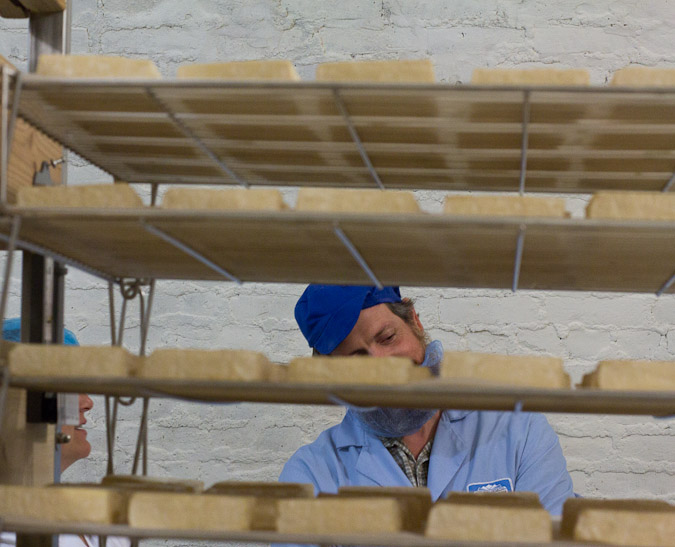
Crown Finish Caves is a cheese care/affineur facility that ages and tends to cheesemaker's wheels after they're made. Meaning they store the cheese, flip wheels, wash rinds with booze (and oh my does Crown Finish have a lot of it), control temperature and humidity in caves, and experiment with new aging techniques and flavors. This is called affinage and requires much experience to know what to do when. And they do it all underground in old subway tunnels.


A question I get a lot is why can't cheesemakers age cheese themselves.
They certainly can, and many are amazing at it. But sometimes they don't want to. Because they're busy, you know, milking cows and making curds and stuff. Or, sometimes they don't have the space or labor to keep an eye on their wheels like they deserve. Other times they just like to collaborate with lovely people like Crown Finish owners Benton Brown & Susan Boyle, and affineur Sam just because they're fun (they're pretty cool people who hang out with cheese in subway tunnels and rub it in booze all day, you know what I'm saying?).
Benton and Boyle bought their Crown Finish building- sort of an office/warehouse/loft space- in 2001 and started to ready it for renters and food service. Then they started to think, hey, not only were the old subway tunnels underneath the building cool looking, the cool looking old subway tunnels would be perfect for aging cheese. They had the right temperature, humidity, and air flow (once the filters started pumping away) and ample space.

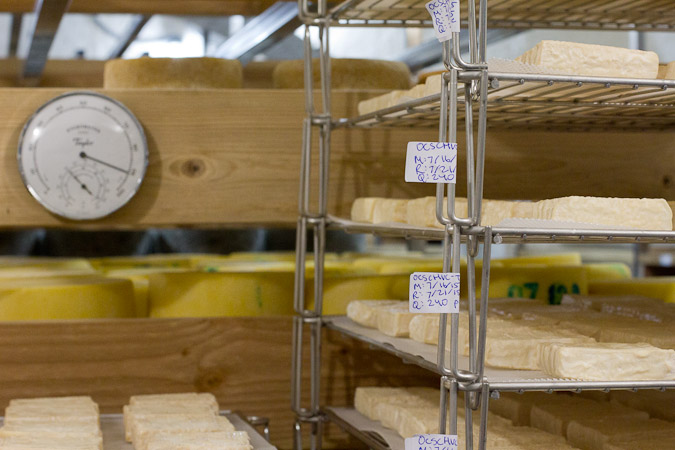
 Crown Finish caves is a story of their inspired passion. Benton trained with famed affineur Herve Mons and with cheesemakers and agers in the United States, then, started experimenting with local cheeses.The rest is delicious history. Some creameries Crown commonly works with are Coach and Spring Brook, Parish Hill.


These are photos of their varied stash and a couple of the caves themselves when I managed to get enough light. Also, hate to say it, but if you haven't had a chance to try their ACS winner Humble Herdsman, you probably won't in the future either. They've got under twenty wheels left (but cheesemaker Peter Dixon is now maturing his own). But try to get your hands on their other beauties like Paymaster at your local shops. East coasters will be luckier, and bribing your local cheesemonger may apply.
Artisan Cheese Industry Damning: FDA Says No to Wooden Cheese Boards
 Someone asked me on twitter yesterday how many artisan cheesemakers age their cheese on wooden boards and would be affected by the recent FDA mandate that wooden board are unsanitary, and therefore banned from the aging room. Let's just say this- all the artisan producers that I've visited (50-60) throughout my cheese days who make semi-soft to hard cheese rest their wheels on wooden planks while they're aging. And this is only semi-soft to hard cheese. Like that creamy, spoonable Mont' D'Or stunt double made in the United States? Chances are that it's aged on wood too.
Why wood? It's a nod to the European cultural and historical cheesemaking practices that shaped our own industry- a lively, fantastic industry that is now in turn influencing European cheesemaking too. More importantly, wood is also used because it imparts flavor. There's a reason why certain French cheese appellations require fruitiers and affiineurs to use only specific species of wood (mainly from their own appellation) when aging wheels. Specific woods impart particular flavor characteristics to cheese. What will happen if our prized and adored cheeses in the United States are switched to being aged on plastic and metal boards? Their flavor, texture, composition will change. Even the difference in air circulation from resting wheels on plastic or metal will influence a cheese's taste. The act of cheesemaking is a symbiotic process, and everything- from molds to humidy to board type- affects how a cheese will end up.
Contrary to FDA thought, it's also safe. Years of cheesemaking in Europe and recent studies have proven this.

If the FDA is allowed to go forth in its ban in the aging room, our artisan cheese industry will suffer because our cheese won't be as good. It won't be up to its full potential that we're experiencing today. Cheesemakers will have to pay to revamp their aging rooms and spend a lot of money trying to figure out how to make it as good as it was before- which many question is even possible with a switch like this.
Keith Adams, Cheesemaker at Alemar Cheese is worried. Though he now focuses on soft cheeses, he recently decided to move west to California to make Cheddar. This August he heads to Britain to study with Cheddar's fore-bearers, where every artisan version of the cheese is aged on planks. Same goes for our artisan Cheddars here.
"I'm deeply concerned with the FDA ruling," says Adams, "and if you're a cheesemaker and you're not concerned with this, you're not paying attention."
Even European cheesemakers should take note. As summed up in the fantastic look at FDA's actions by Jeanne Carpenter on Cheese Underground, this law doesn't just apply to American cheesemakers. According to the FDA, it applies to anyone's cheese that are imported to the U.S. If the FDA gets serious about it, people making Parmesan, Gruyere, and may other of the European greats would have to have a section of their cave where their wheels are just aged on plastic for the U.S. market in order for the wheels to be imported. Would they do this? Would it taste similiar?
So this is not only harmful to our burgeoning industry, it could be damning to other's as well. As cheese lovers, let's keep an eye on this. If cheesemakers ask for folks to sign petitions or support them politically by stowing up to rulings, let's lend a hand. They do a lot for us, our tastebuds, the land, and the economy by making their cheese - the delicious and safe way that it is made now.