
The Cheese Blog
Lambrusco: Cheese & Wine Pairing Fit for a Pool Party
There's an old cheese & wine geek-honored adage out there that white wine pairs better with cheese than red wine. Lambrusco begs to differ.
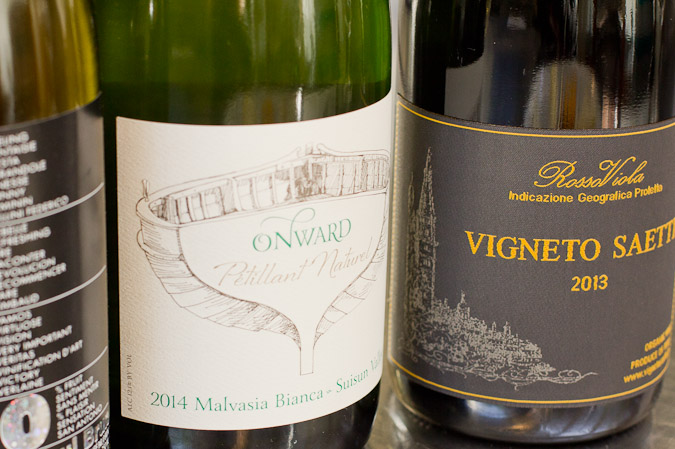 There's an old cheese & wine geek-honored adage that white wine always pairs better with cheese than red wine. Lambrusco begs to differ (and it also would like to formally invite you to a summer pool party while it has your attention).
There are reasons for this adage. Because white wine often has higher acid than your standard red, it can cut through a cheese's richness as smoothly as lime does through a heavy coconut curry. And it has lower tannins, which can get into sparring matches with certain cheeses bacterias, yeasts, and rinds. White wine also can have less oak then reds, which can overshadow a cheese's nuanced flavors.
There's an old cheese & wine geek-honored adage that white wine always pairs better with cheese than red wine. Lambrusco begs to differ (and it also would like to formally invite you to a summer pool party while it has your attention).
There are reasons for this adage. Because white wine often has higher acid than your standard red, it can cut through a cheese's richness as smoothly as lime does through a heavy coconut curry. And it has lower tannins, which can get into sparring matches with certain cheeses bacterias, yeasts, and rinds. White wine also can have less oak then reds, which can overshadow a cheese's nuanced flavors.
But take a red wine, ferment it twice so it has bubbles, then serve it with cheese? That's bliss. And that's proof that adages aren't always right.

Just ask me on a summer's day, when I can be found sipping Lambrusco and downing cheese next to a pool, on a porch, or maybe even while sitting at my desk writing this post (it's not technically summer, but let's just say it's a very hot 81 here in Oakland).
Why is Lambrusco a pool cheese-party wine and why is it so good with cheese? Thus commences the third segment of Bubbles & Cheese Pairing 101.
Pools and large bodies of water favor bubbles over still wines and chilled liquids over room temperature ones. It's a proven fact. Pictures of pool drinks always show a chilled liquid. The best photos picture chilled and bubbly liquid. Enter Lambrusco, a beautiful red alcoholic liquid.
Made in Emilia-Romagna or Lombardy, Italy, from the grape of the same name, Lambrusco is a red, bubbly wine that has great acidity, a dash of tannins to keep things interesting, and fresh red fruit. Lambrusco has gotten a bit of a poor reputation- not because it has been seen out late at night sneaking off to hang out with Nebbiolo or Sangiovese- but because a large amount of poor quality Lambrusco was exported to the states in the eighties and nineties that was sweet, overly fruity, and frankly, boring. The good stuff though, is a revelation.

Bing cherries, red currant, fresh herbs and pepper are flavors common in Lambrusco. Add all this to cold bubbles and you have pure refreshment.
Despite that Lambrusco's also fantastic for summer because it's bright, delicious, cold, and bubbly and looks good next to pools, the main reason that Lambrusco is the perfect summer party wine is because it's easy to pair.
Summer is meant for easy food, low amounts of cooking, light dishes, and relaxing. Since Lambrusco just happens to be one of the easiest wines to pair with cheese, this works out just right. You can pretty much set it out with any cheese and it'll charm the plate like a lightening bug charms a child. Or me. The tiny bit of tannins Lambrusco has teams up with its bright acid to cut the richness of cheese. Its often herbal and peppery notes bring out grassy, herbal lemony flavors in sheep or goat's milk cheese. And the bubbles? Well, that's like a freebie. They wrap around the rich cheese molecules and keep everything light. And because Lambruscos are low, or no oak, they don't overpower cheese.
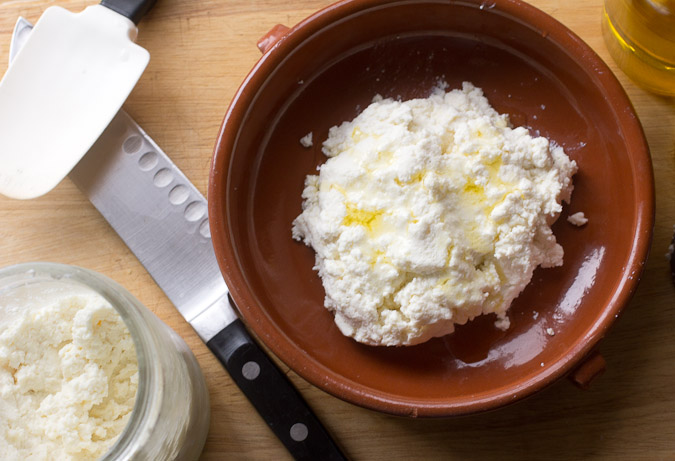
The Lambrusco's I've served in pairing classes pretty much went with everything on the plate.
But here are some guidelines.
Yes's: Goat and sheep milk cheese, and many cow's.
- Anything from sheep's milk ricotta to lightly aged wheels like Barinaga's Txiki, Bellwether's Pepato, or more aged like Pecorino Toscano. Soft and hard goat's milk cheeses are great, too. Fleur Verte- the young chevre covered in herbs? Perfect. Sleight Farm's Tymsboro or Vermont Cheese Bonne Bouche? Golden Tickets.
- Even cow's milk cheeses like Gruyere, Comté, or Cheddar can't help but say yes to the bubbly red one. You can go with bries, but generally think more aged- as a cheese gets more mature and complex, it likes a little extra in its wine, too.
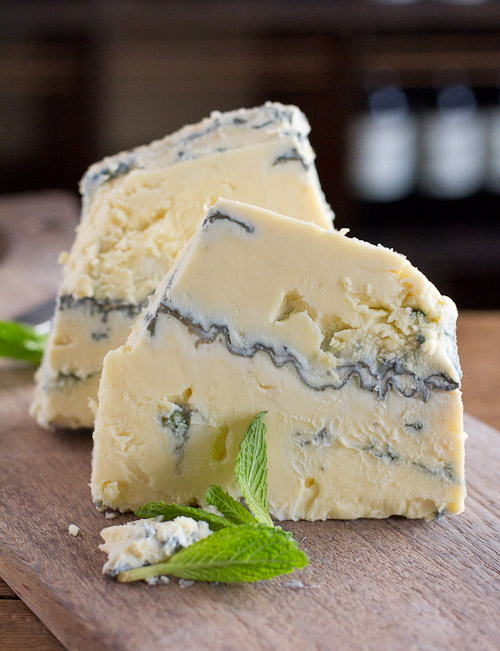
- If you're just not a sweet wine fan but like your cheeses fierce and want a wine that won't be overhwelmed, know that Lambrusco's love blues, too. Roquefort or Bayley Hazen, and even funky washed-rinds like Époisses or Tallegio too.
Only No's
- I know that Lambrusco comes from Parmesan land, which seems like a lovely and regional pairing, but stay away from the super old "grana" style like cheese with Lambrusco. If you're going Parm, think a year or under. The wine's high acidity and bubbles make the "grana" cheeses seem dry and grainy. Same goes for gouda.
What do you like with your Lambrusco?
Sparkling Wine & Cheese Pairing: A Class Guide
Last night I taught one of my favorite classes ever at the Cheese School of San Francisco- Cremes & Bubblies, and in its honor, I’m creating a guide to pairing sparkling and creamy cheese today. Why is it my favorite? Two reasons. One, I love cremes and bubbles. Separate, together, at a dinner table, at a party, on the side of the road, however, wherever. Two, I loved this class because the students were into it.
 Last night I taught one of my favorite classes ever at the Cheese School of San Francisco- Cremes & Bubblies, and in its honor, I'm creating a guide to pairing sparkling and creamy cheese. Why was it one my favorite classes? Two reasons. One, I love cremes and bubbles. Separate, together, at a dinner table, at a party, on the side of the road, however, wherever. Two, I loved this class because the students were into it.

The first sign of whether students are going to be down with the class is if they laugh at the name of my blog. These guys did- hearty chuckles. If they don't, I know it's going to be a loooooong night, and it's very likely my jokes will fall flat. But these guys didn't just assuage my fragile ego by making me feel funny, they asked questions, they commented on flavors rather than starring at me questioningly when asked "what do you taste?," they contributed fun information to the class, and they ate and drank like pros. As a side note, I also attribute the class's success to listening to Def Leopard while crossing the Bay Bridge to teach- I was inspired, and the students felt it. Do you want to get rocked? Why yes, yes I do (get those cheese class engines revving!).

In short, it's hard to get a bad pairing with bubbles and cremes. Cremes are creamy, soft cheeses that are high in moisture and taste especially rich. If you nibble on them with a sparkling, you've got a win-win situation- the bubbles (like the carbonation in beer) and the acidity in wines like Champagne help cut the fat in the cheese and uplift the pairing experience. I always imagine the bubbles wrapping themselves around the creamy cheese molecules and taking them to a happy place, like cheese heaven. Truth be told, it's hard to fall flat when matching bubbles to creamy cheeses, almost everything tastes at least good. But some pairings are much better then others. Below I divulge the pairings in the class that were the favorites, and why they worked to create a light and easy pairing guide for sparklings.
 A 4-Step Guide to Sparkling and Cheese Pairings
1. Light, lively cheeses like light, lively bubbles.
La Tur (cow, sheep and goat) from Piedmont Italy, and Crémont (goat and cow) with Prosecco. When you have goat cheese, think light, low-oak, and unoaked sparklings. Proseccos. Cavas. If you don't know if they're low oak or un-oaked, ask your wine salesperson. You can go fruity, but don't go bold and heavy with your wine. Your spunky little goat cheese or milk blends like to shine without heavy oak getting in the way.

2. Richer cremes like richer wines.
Nettle Meadow Kunik (triple creme cow, sheep and goat) and Brillat-Savarin (triple cow) with cremants or Champagnes. Cremants are sparklings made in the Champagne Method that are not from the Champagne region. They age in barrels, accumulate a light creamy, yeasty flavor. Champagnes generally (but not always) achieve a greater creamy, yeasty flavor and have more acidity than cremants. When I'm pairing creamy triples with sparkling, I either go cremant or Champange. Cremants are less expensive, so I often go there. When triple cremes are still clean-flavored and buttery like Kunik and Cremont, you don't need the richness and earthiness of Champagne.
3. Sultry cheeses like sultry, full-bodied, earthy Champagnes.
Old Chatham Nancy's Camembert (sheep and cow) and Bent River Camembert with Champagne. A full-bodied champagne is yeasty, toasty, creamy, earthy, sometimes mushroomy. They replicate what's going on with these cheeses. Sheep's milk cheese? Earthy, buttery, toasty. Camembert? Earthy, yeasty, mushroomy. These are easy pairing matches made in heaven. It's also possible to get an earthy cremant if you don't feeling like dishing out the dough for a Champagne- ask your winemonger, they should be able to direct your choice.

4. Washed rind creamies with rosés.
Rush Creek Reserve (cow) and Pont L'Eveque (cow) with sparkling rosés. This is a pairing inspired by the regional Époisses and Burgundy pairing. The stinky washed rind Époisses is traditionally matched with a Pinot Noir, so when I think of other creamy washed rinds, I let this guide me. A rosés light red fruit goes with the washed rind funk. Most sparking rosés are going to be heavy on the Pinot, but a rosé need not be Pinot Noir to pair well. But it helps.

Lastly, I'm teaching a class at the Cheese School that I'm super excited about. Southern Cheese & Spirits in March. I'm very excited about it. Think artisan cheese, paired to southern beer and .... moonshine. If you're in the SF area, please come! Geek out and feel the moonshine burn with me.