
The Cheese Blog
Marinated Olive Recipe: Spring Cheese ♥'s Lucques
 There are a few things I keep on hand for the Kitchen Time portion of a dinner party. Kitchen Time, you may wonder, is the time of the night when guests gather in the kitchen and shake me a cocktail while I stir something very important looking on the stove. Sometimes very important stirring requires more time, so the cocktails turn plural. This is my favorite time of the night.
Because I like to be fully present when guests arrive and not worry about what to do next or whether I've chopped enough parsley for the garnish, I always keep a few things on hand that are easy to pull out of the fridge, freezer, oven, and simply serve.
My Kitchen Time snacks are most often seasonal. Gougeres, for example, freeze well and are perfect for winter- just pop them in the oven when guests arrive. Fall calls for roasted sage almonds and Alpine cheeses. Spring?

Marinated lucque olives and fresh goat or sheep's milk cheese.
Lucque olives are olives turned to 11. Buttery, rich, and sweet, they are the perfect contrast to spring's lively cheeses. Spring is when animals are out grazing and foraging on wild herbs and grasses and the citrusy, herbal freshness of the cheese snuggles right up to the rich notes in the lucques.
On their own, lucque olives are delicious, but paired with fresh herbs and citrus zest, they're addictive. I have people coming in to the wine bar I work asking if they can buy them to-go... we don't do that.
But lucky for the person who can't sweet-talk me into boxing them up, or who lives far away from Albany, Marinated lucque olives are super simple to make at home. And now's the time to serve them. And, yes, they're adaptable. Don't have an orange? Skip it. Have sage but no rosemary? It'll still be delicious. Just serve with a young cheese like chevre, Nicasio's Foggy Morning or Bohemian Creamery's Bodacious that's sweet an fresh.
Marinated Luque Olives
3 cups lucques, in their brine
zest of one orange
zest of one lemon
4 sprigs fresh rosemary
4 sprigs fresh thyme
Put olives in a container that can hold them and their brine. Add the orange and lemon zest, rosemary and thyme to the brine and stir. Marinate for at least two hours and up to two weeks.
That's it!
And if you're wondering where I got that awesome heart in the title, I cut and pasted from Alyssa Milano's twitter page. xoxoxo
A Few of my Favorite Goat Cheese Things
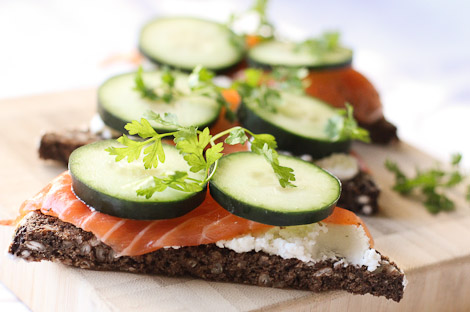 I'm not one to turn down anything with goat cheese, anytime. On a boat, with a goat, in the rain, in a train, in the dark, in the summer, in the winter, whenever, wherever, is just fine with me. But hands down, spring is my favorite season for goat cheese.
Spring is when goat milk tastes its brightest. The goats are off jumping around in the green, green hills, eating the delciousness that is spring vegetation, and the mamas are possibly, perhaps, just naturally a little more glowy after watching their adorable young prance about (we're going with the happy dairy animals producing good milk theme here). For a little more info about milk seasonality, here's an article I wrote for Edible East Bay a few years ago, called Tasting the Seasons in Cheeses. I wish I could claim coming up with that title.
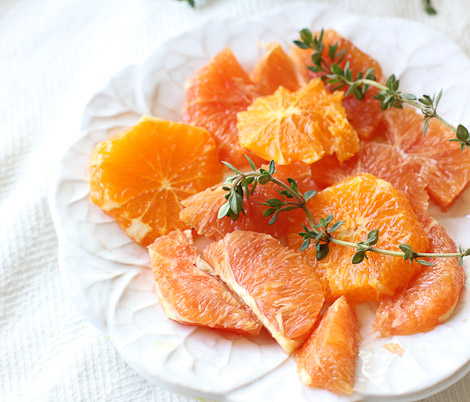
With that in mind, this post is a little devotional to spring goat cheese, with pictures of a few of my preferred goat cheese pairers. Some link to recipes. The "recipe" given at the end of the post uses fresh chèvre, but I'm down with any old kind of goat cheese. Keeping in mind that the cheese will taste of the season when the milk is procured with pastured animals, explore.
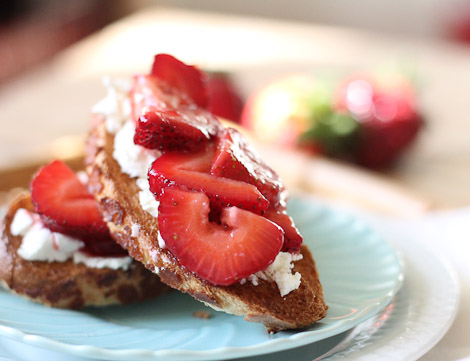


Chevre and salmon on rye "recipe" (header photo)
Thinly slice rye bread, pumpernickel, or rustic whole wheat and lightly toast. Let cool. Spread thickly with fresh chèvre (go local if you want to taste those green hills near you). Top with smoked salmon or lox, then cucumber rounds. Garnish with fresh chervil. If going big, consider drizzling with creme fraiche. Serve with an unoaked white wine like Sauvignon Blanc, Verdejo, or a Savoie white.

Tomato & Olive Marmalade- Chèvre, Anyone?
 Books, it seems, take a lot of time. Writing them, sure. But then there's the promoting and marketing of them too, which requires one to plan writing, events, classes, and parties, all hopefully to be published or take place around the time the book comes out. My oh my, have I been doing a heck of a lot of that this month. Since my book comes out in November, I'm organizing it now. Thankfully, Perigee/Penguin has supplied me with a top-notch publicist to help, because, oh lordy, I had no idea how much work it was!
So whenever I have a chance to relax, I do a little cooking. As the summer heat forges on ahead, I've been thinking about ways to bring seasonal produce to the cheese plate. Tomatoes, I'm looking at you.
Cheese has a wide circle of friends. An extremely social animal, it loves hanging out with seasonal produce, honey, olives, salami, sugary tidbits, and pretty much anything preserved. One of the cheese’s closest friends is marmalade. A sweet-savory concoction, marmalade provides that extra bite that a jam lacks. Although traditionally made from citrus fruit, modern marmalade can be made from vegetables (or fruits that taste like vegetables, hey there, sneaky tomato fruit!). One of my favorite types of marmalade for cheeses- goat cheeses especially- is in a tomato marmalade. I make mine with heirlooms, a little butter for richness, herbs, vinegar, brown sugar, and oil-cured black olives.
Make a large batch and give out in the height of tomato season, or refrigerate and use within a week or two. Chevre, crottins, fromage blanc, teleme, ricotta, crencenza, .... imagine any of these slathered with sweet, punchy, tomato-olive marmalade over toasted focaccia or crostini. Mmm Hmmm.
Tomato & Olive Marmalade Recipe
Ingredients
2 ¼ pound multi-colored heirloom tomatoes
2 small green tomatoes
½ teaspoon salt
freshly ground pepper
2 tablespoons salted butter
3 tablespoons brown sugar
3 tablespoons balsamic or pomegranate vinegar
15 sprigs thyme
1 cup black oil-cured olives, pitted
Directions
Preheat oven to 275 degrees
Core the tomatoes and cut into halves and quarters. Place skin side down on a roasting pan and season with salt and freshly ground pepper to taste. Top the tomatoes with thin slices of butter, sprinkle evenly with sugar and vinegar, and scatter whole thyme sprigs over the dish. Roast in the oven for 45 to 55 minutes until the tomato skins are slightly wrinkly and the tomatoes have lost a fair amount of water and sweetened considerably. Let cool.
Once cool, chop the tomatoes into small and medium sized pieces, remove the whole sprigs of thyme, and save any excess cooking liquid. Put the tomatoes in a large mixing bowl. Roughly chop the olives and add to the bowl. Add as much cooking liquid to the bowl as you’d like- I like a juicier marmalade, many like it drier. Keep in the fridge and bring to room temperature before eating.