
The Cheese Blog

Cheese Making Classes: Creamy Camembert & Flying Solo
From June on, you can find me either at home obsessing over camembert fluffiness (rather than while at work- good change?), teaching cheese lovers how to make ricotta or mozzarella at their homes or at public cheese making classes in the Bay Area (lucky, lucky girl), or writing. It's taken me a while to get to this place.

Cheese making classes Bay Area, here I come.
After ten years, this week is the first week where I have complete control over when I wake up. I don't have to leave my home at a specific time to open the doors of a wine shop in fear of a delivery person absconding with our wine if I'm five late. Don't have to pack my lunch the night before or start prepping dinner before I leave because I won't arrive home from work till 9pm. Don't have to obsess about if I'm adding cultures to milk too early before I leave for work since I can now monitor my cheese making experiments from home all day long.
I am now flying solo.
From June on, you can find me either at home obsessing over camembert fluffiness (rather than while at the wine shop- good change?), teaching cheese lovers how to make ricotta or mozzarella at their homes or at public cheese making classes in the Bay Area (lucky, lucky girl), or writing. It's taken me a while to get to this place.

Camembert stacks- cheese making classes
In addition to teaching cheese making classes where I show people the proper way to massage mozzarella curds into cream to create burrata, now I have time to pitch magazines and pursue that England and Ireland writing project I've been researching and dreaming about.
Though leaving a place you've been working at with dear friends for ten years, and doing things that reflect the realities of self-employment like spending two hours on the phone and on the Covered California website makes me feel a little anxious, I'm overall so happy. I'm venturing out on my own (and also, those Covered California people were really nice).


I've learned that sometimes you have to firmly close some doors for others to open. And they're opening. This week I've taught students at 18 Reasons how to make burrata, am prepping for private classes and a writing retreat-lockdown next week, and I met with amazing people for whom I'll be teaching classes in the future. There are a lot of cool people around here, and now I finally have time to work for and with them (you may of course include yourself in this list).
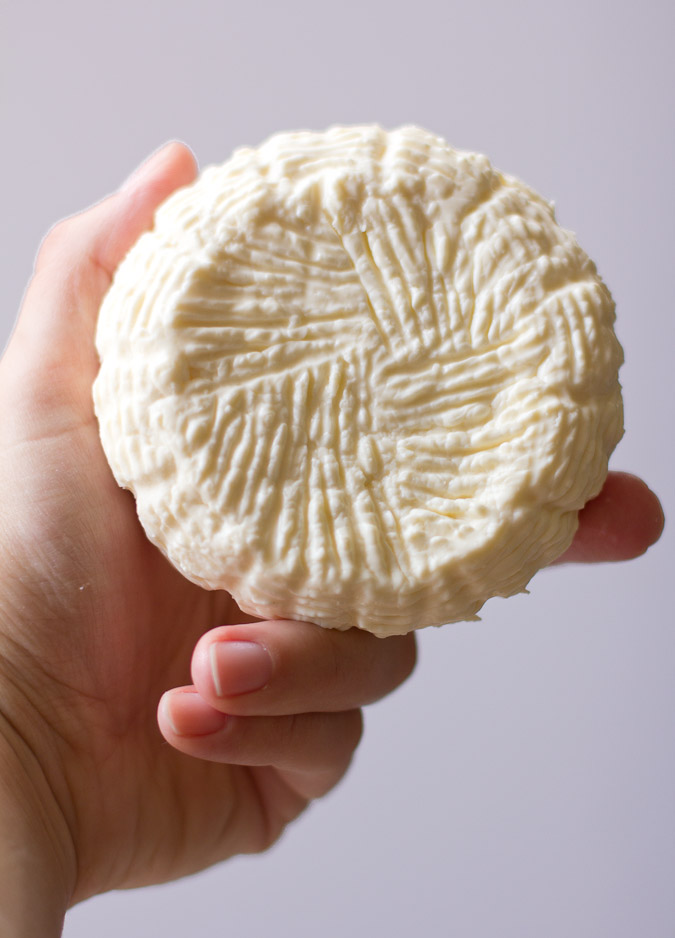
If you'd like to schedule a private event, consider me more open. If you'd like to come to one of my public classes, you can find me all over the bay area. If you come over to my house any time soon, expect it to smell of cheese recipes I'm testing. Camembert pictures are the results of test batches (cheese babes, a couple days old, no mold rind yet) for an upcoming class I'm teaching at The Cheese School. Yes, I added extra cream.

Thank you all for helping to make this happen. I look forward to cheese and writing adventures with you in the future. Thank you family, friends, and readers for your support.
Thistle Power: Torta de Trujillo
 The general basics of cheesemaking go like this:
1. Have milk. Warm milk.
2. Add cultures and acid or rennet to milk - start curd coagulation.
3. Start curd separation from whey by cutting or scooping.
4. Cook and drain curds.
5. Do something with the curds! Strain, mold, press, age, ....
There are as many different ways to do the aforementioned as there are sensible black pumps in a government office. Different cheeses get different cultures for different flavors. Some curds get briefly warmed, some get their sugars caramelized, some get nearly all of the whey pressed out of them by being squished in a machine.
Rennet also comes in many forms. Natural, traditional animal- from the stomach lining of a cow. Microbial. Thistle. Some rennet is made in a lab. In whatever form it comes, rennet is what coagulates the curd into a sort of thick custard before it's separated from the whey. After the curds are cut, they are cooked, the whey is expelled, and what remains is the protein, fat, and deliciousness than will later become cheese.
Since curds are crucial to making cheeses that are aged even a little bit, it's fair to say rennet is pretty important. In the Extremadura region of Spain, the choice of rennet type is considered crucial.

I'd like you to officially meet Torta de Trujillo. He's made with rennet from the thistle flower. How does being flower powered affect Trujillo, you ask? In the case of this little torta, in several ways.
1. First, thistle rennet encourages a soft, silken paste. Traditional animal rennet (cow, stomach, lining) can help age a cheese into a firm style but from what I've heard, thistle rennet helps form a softer, creamier paste that doesn't firm as much as it ages. How the curds are cut (this torta's curds are kept large so less whey is expelled and more moisture is retained in the final cheese) makes a difference, but the word on the cheese street is that thistle rennet prefers to stay.... loosey goosey.
2. Second, thistle rennets produces floral flavors in a cheese. Really. And vegetable ones. A taste of Trujillo reveal flavors that are floral, sweet, and even artichoke heart-like. Prettttty delicious...
The traditional way to eat this style of cheese, like Torta la Estrella or Serena, is to wait until it is really ripe. The rind will still be firm, but the inside will be soft, and the top of the cheese will give when pressed. Then, cut off the top like it was a sourdough bread bowl, and spoon out the cheese on pieces of bread as you snack.
Many people ask me about the affects of different types of rennet. Trujillo is a great example of what thistle can do. This plant has been used to centuries in Spain and Portugal and occasionally by American cheese makers to great success.
Do you like the flavor of thistle rennet?
What are your favorite thistle flower powered cheeses?
Sparkling Wine & Cheese Pairing: A Class Guide
Last night I taught one of my favorite classes ever at the Cheese School of San Francisco- Cremes & Bubblies, and in its honor, I’m creating a guide to pairing sparkling and creamy cheese today. Why is it my favorite? Two reasons. One, I love cremes and bubbles. Separate, together, at a dinner table, at a party, on the side of the road, however, wherever. Two, I loved this class because the students were into it.
 Last night I taught one of my favorite classes ever at the Cheese School of San Francisco- Cremes & Bubblies, and in its honor, I'm creating a guide to pairing sparkling and creamy cheese. Why was it one my favorite classes? Two reasons. One, I love cremes and bubbles. Separate, together, at a dinner table, at a party, on the side of the road, however, wherever. Two, I loved this class because the students were into it.

The first sign of whether students are going to be down with the class is if they laugh at the name of my blog. These guys did- hearty chuckles. If they don't, I know it's going to be a loooooong night, and it's very likely my jokes will fall flat. But these guys didn't just assuage my fragile ego by making me feel funny, they asked questions, they commented on flavors rather than starring at me questioningly when asked "what do you taste?," they contributed fun information to the class, and they ate and drank like pros. As a side note, I also attribute the class's success to listening to Def Leopard while crossing the Bay Bridge to teach- I was inspired, and the students felt it. Do you want to get rocked? Why yes, yes I do (get those cheese class engines revving!).

In short, it's hard to get a bad pairing with bubbles and cremes. Cremes are creamy, soft cheeses that are high in moisture and taste especially rich. If you nibble on them with a sparkling, you've got a win-win situation- the bubbles (like the carbonation in beer) and the acidity in wines like Champagne help cut the fat in the cheese and uplift the pairing experience. I always imagine the bubbles wrapping themselves around the creamy cheese molecules and taking them to a happy place, like cheese heaven. Truth be told, it's hard to fall flat when matching bubbles to creamy cheeses, almost everything tastes at least good. But some pairings are much better then others. Below I divulge the pairings in the class that were the favorites, and why they worked to create a light and easy pairing guide for sparklings.
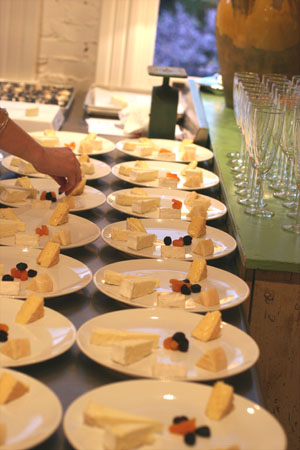 A 4-Step Guide to Sparkling and Cheese Pairings
1. Light, lively cheeses like light, lively bubbles.
La Tur (cow, sheep and goat) from Piedmont Italy, and Crémont (goat and cow) with Prosecco. When you have goat cheese, think light, low-oak, and unoaked sparklings. Proseccos. Cavas. If you don't know if they're low oak or un-oaked, ask your wine salesperson. You can go fruity, but don't go bold and heavy with your wine. Your spunky little goat cheese or milk blends like to shine without heavy oak getting in the way.

2. Richer cremes like richer wines.
Nettle Meadow Kunik (triple creme cow, sheep and goat) and Brillat-Savarin (triple cow) with cremants or Champagnes. Cremants are sparklings made in the Champagne Method that are not from the Champagne region. They age in barrels, accumulate a light creamy, yeasty flavor. Champagnes generally (but not always) achieve a greater creamy, yeasty flavor and have more acidity than cremants. When I'm pairing creamy triples with sparkling, I either go cremant or Champange. Cremants are less expensive, so I often go there. When triple cremes are still clean-flavored and buttery like Kunik and Cremont, you don't need the richness and earthiness of Champagne.
3. Sultry cheeses like sultry, full-bodied, earthy Champagnes.
Old Chatham Nancy's Camembert (sheep and cow) and Bent River Camembert with Champagne. A full-bodied champagne is yeasty, toasty, creamy, earthy, sometimes mushroomy. They replicate what's going on with these cheeses. Sheep's milk cheese? Earthy, buttery, toasty. Camembert? Earthy, yeasty, mushroomy. These are easy pairing matches made in heaven. It's also possible to get an earthy cremant if you don't feeling like dishing out the dough for a Champagne- ask your winemonger, they should be able to direct your choice.

4. Washed rind creamies with rosés.
Rush Creek Reserve (cow) and Pont L'Eveque (cow) with sparkling rosés. This is a pairing inspired by the regional Époisses and Burgundy pairing. The stinky washed rind Époisses is traditionally matched with a Pinot Noir, so when I think of other creamy washed rinds, I let this guide me. A rosés light red fruit goes with the washed rind funk. Most sparking rosés are going to be heavy on the Pinot, but a rosé need not be Pinot Noir to pair well. But it helps.

Lastly, I'm teaching a class at the Cheese School that I'm super excited about. Southern Cheese & Spirits in March. I'm very excited about it. Think artisan cheese, paired to southern beer and .... moonshine. If you're in the SF area, please come! Geek out and feel the moonshine burn with me.