
The Cheese Blog

When Flowers Make Cheese! Thistle Rennet making it ooze.
Used mainly in Spain and Portugal, the ancient thistle rennet is one of the most exciting cheese-makers around.

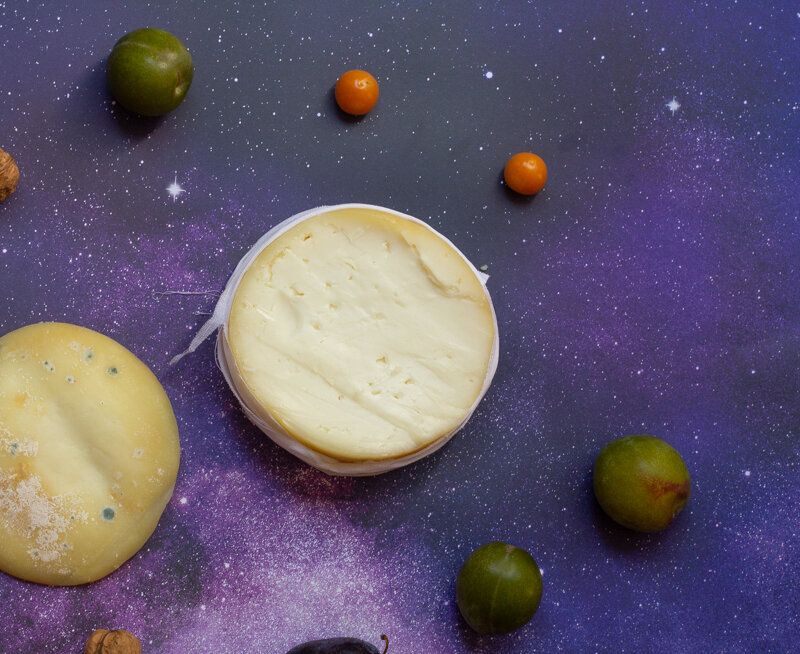
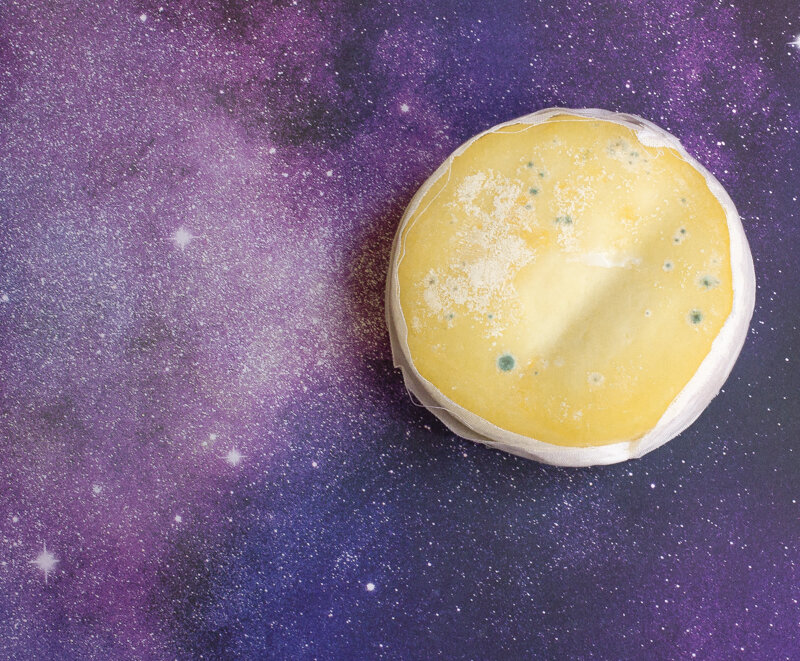
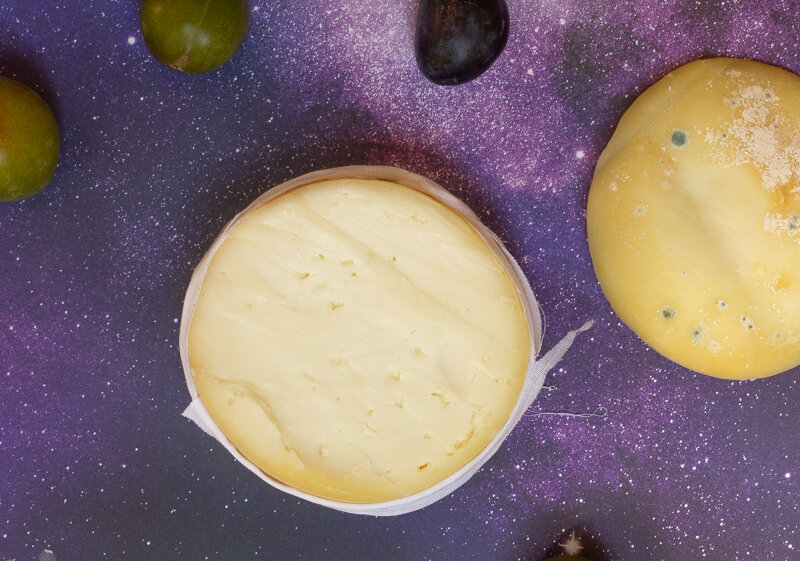
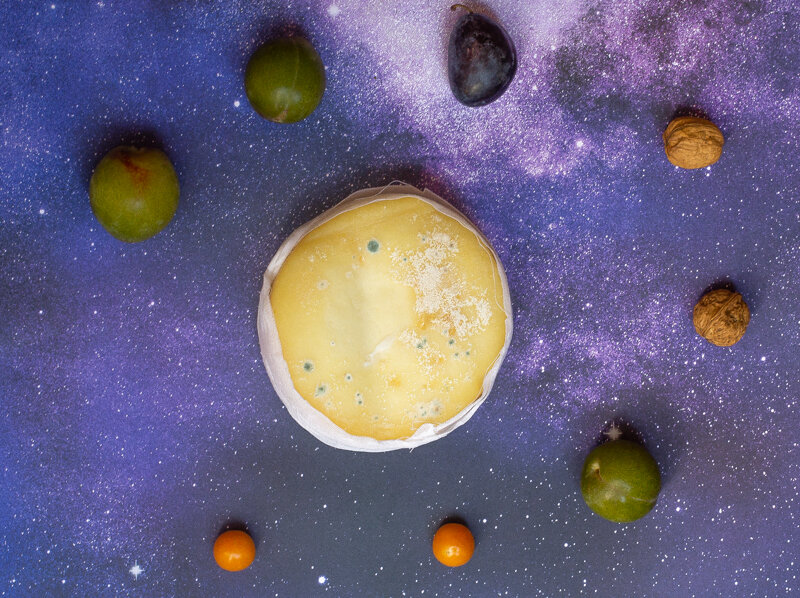
Ovelha Amanteigado is one of the world’s (or solar system’s) best thistle rennet cheeses
Thistle rennet: Vegetarian, floral, oozy, and rare.
What makes thistle rennet so special? Everything.
Cheesemaking normally goes like this.
Start with warm milk.
Add cultures to ferment milk/turn lactose to lactic acid.
Add rennet enzyme to bind proteins and form curd.
Cut or ladle curd to leech whey from curd.
Stir, cook, and/or drain curds.
Do something with the curds! Mold, press, age, stretch, ....
Age your age-worthy cheeses or eat the fresh ones.
Nearly all cheese is made using the same steps and ingredients (milk, cultures, rennet, salt). What makes each vary in taste are texture are either technological tweaks, like when cheesemakers ladle curds into forms rather than cutting and stirring them, or the types of ingredients used, like cultures. I love this! Just one tiny little difference can make an entirely different cheese- like using thistle rennet instead of traditional animal rennet.
Rennet is an enzyme that denatures (negatively charged) proteins so they can bind to each other. When properly snuggled, the proteins trap the butterfat (yes!!!!), water, minerals, and lactose to make curd.
All rennet has its own style, is harvested through different means, and affects milk differently, so cheesemakers might favor one over another. Vegetarian makers might not like animal rennet. People against GMOs might not like the rennet that’s a DNA replica of animal rennet. Cheesemakers who age their cheese over a month might avoid mocour rennet because it can turn bitter with age. And people who chose thistle rennent?
They choose it either because either: 1) they live in the Iberian Peninsula and make cheese in Spain or Portugal where the practice is traditional, or, 2) because it is just so cool.
Why is thistle rennet cool & how and you taste it? Read below.
Thistle rennet is cool because it makes your cheese taste like like sweet, buttered brioche. Cheeses made with thistle rennet generally start off floral and yeasty then deepen to a cardoon, vegetal flavor over time.
As thistle rennet ages a cheese it breaks down the proteins so the wheel becomes soft and gooey. A super ripe thistle rennet cheese can be eaten with a spoon and oozes (pro-tip: because it softens a wheel over time you wouldn’t chose thistle rennet for a harder cheese like cheddar).
You can make handmade thistle rennet by making a sort of tea from the petals (cardoon, too) and pouring it into your milk just like you would normal rennet! Making rennet by hand is super cool. I know because I did it at Sleight Farms with the wonderful Mary Holbrook. One of my coolest cheesemaking experiences ever.
The thistle flower has bright purple flower petals and is gorgeous. It’s fun to use something this beautiful in cheesemaking.
Thistle rennet is ancient. Used traditionally in the Iberian Peninsula, it is slowly making its way west.
Intrigued? Try one of the classic cheeses made with thistle. One of my favorites is Ovelha Amanteigado, imported by Forever Cheese and pictured above. Made with raw sheep’s milk, Ovelha tastes like just-baked sourdough bread, is rich, buttery, a little tangy and floral. Two more I love are Amanteigado and Torta del Casar. Eat with a loaf of crusty bread, a spoon, honey, or a Cava rosé.
Thistle Power: Torta de Trujillo
 The general basics of cheesemaking go like this:
1. Have milk. Warm milk.
2. Add cultures and acid or rennet to milk - start curd coagulation.
3. Start curd separation from whey by cutting or scooping.
4. Cook and drain curds.
5. Do something with the curds! Strain, mold, press, age, ....
There are as many different ways to do the aforementioned as there are sensible black pumps in a government office. Different cheeses get different cultures for different flavors. Some curds get briefly warmed, some get their sugars caramelized, some get nearly all of the whey pressed out of them by being squished in a machine.
Rennet also comes in many forms. Natural, traditional animal- from the stomach lining of a cow. Microbial. Thistle. Some rennet is made in a lab. In whatever form it comes, rennet is what coagulates the curd into a sort of thick custard before it's separated from the whey. After the curds are cut, they are cooked, the whey is expelled, and what remains is the protein, fat, and deliciousness than will later become cheese.
Since curds are crucial to making cheeses that are aged even a little bit, it's fair to say rennet is pretty important. In the Extremadura region of Spain, the choice of rennet type is considered crucial.

I'd like you to officially meet Torta de Trujillo. He's made with rennet from the thistle flower. How does being flower powered affect Trujillo, you ask? In the case of this little torta, in several ways.
1. First, thistle rennet encourages a soft, silken paste. Traditional animal rennet (cow, stomach, lining) can help age a cheese into a firm style but from what I've heard, thistle rennet helps form a softer, creamier paste that doesn't firm as much as it ages. How the curds are cut (this torta's curds are kept large so less whey is expelled and more moisture is retained in the final cheese) makes a difference, but the word on the cheese street is that thistle rennet prefers to stay.... loosey goosey.
2. Second, thistle rennets produces floral flavors in a cheese. Really. And vegetable ones. A taste of Trujillo reveal flavors that are floral, sweet, and even artichoke heart-like. Prettttty delicious...
The traditional way to eat this style of cheese, like Torta la Estrella or Serena, is to wait until it is really ripe. The rind will still be firm, but the inside will be soft, and the top of the cheese will give when pressed. Then, cut off the top like it was a sourdough bread bowl, and spoon out the cheese on pieces of bread as you snack.
Many people ask me about the affects of different types of rennet. Trujillo is a great example of what thistle can do. This plant has been used to centuries in Spain and Portugal and occasionally by American cheese makers to great success.
Do you like the flavor of thistle rennet?
What are your favorite thistle flower powered cheeses?