
The Cheese Blog
Cheese, with a Bow
When the weather gets frosty and the flurries start swirling, I start to get readers and student requests for cheesy holiday gift ideas. Because I have not yet trademarked my idea for a cheeseball Christmas sweater and wouldn't want to walk past Stella McCartney one day and see a walnut-rolled Fourme D'Ambert ball/cashmere pashmina before I have time to register my notion, I'm going to stick to recommending cheese products and cheese lit. I hope you wont be disappointed.
 When the weather gets frosty and the flurries start swirling, I start to get readers and student requests for cheesy holiday gift ideas. Because I have not yet trademarked my idea for a cheeseball Christmas sweater and wouldn't want to walk past Stella McCartney one day and see a walnut-rolled Fourme D'Ambert ball/cashmere pashmina before I have time to register my notion, I'm going to stick to recommending cheese products and cheese lit. I hope you wont be disappointed.
Drum roll......., the "It's Not You, it's Brie" holiday cheese gift list extravaganza.
The List
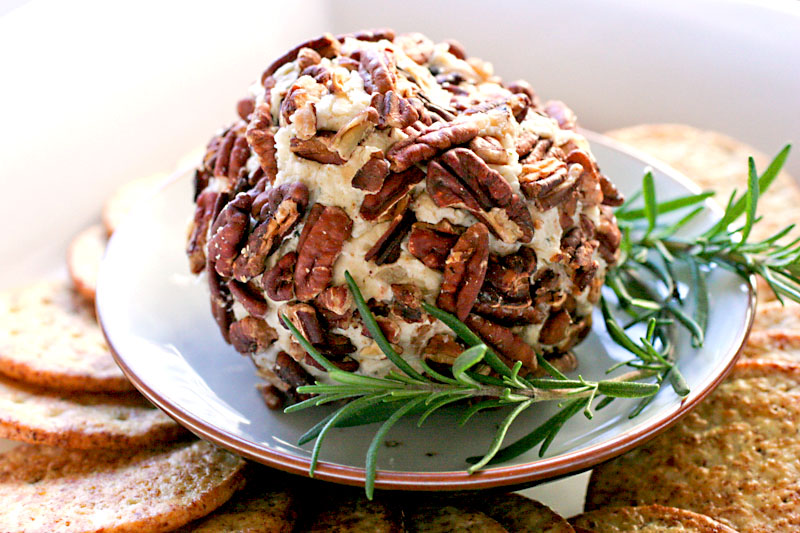
Number One- Make your friend a cheeseball. This gift is an inexpensive gift that just keeps giving. Really- if you give it to one person, there will be leftovers for days. And if you bring it to a party, they'll be pictures that will last for years. Cheeseballs warm hearts. Enough said.
Here are some cheeseball recipes that I wrote for NPR last December.
Cheese and Champagne also has one of my favorite recipes for a cocoa-lavender ball. Very inventive and not sweet.
Ideas that cost money
Cheese Clubs & Classes
If you're in the Bay Area, check out the "It's Not You, it's Brie" cheese club I put together through Solano Cellars wine shop. Pick up only. I wrap up the cheeses with extra love.
If you need your club shipped, consider Artisanal's Cheese of the Month Club. I've seen this cheese being packed, and it's also wrapped with love. You'll be in good hands.
The Cheese School of San Francisco, Murray's Cheese, and the Brooklyn Kitchen all offer gift certificates and have awesome classes. So does Ramekins in Sonoma and C'est Cheese in Sacramento. Don't live on the coast? Check a cheese hot spot near you for advice where to go. There are plenty.
Cheese Lit
Artisan Cheese of the Pacific Northwest: A Discovery Guide: Tami Parr has one of the best cheese blogs to date. It features news, rumblings, cheesemaker descriptions, and it's inspiration. The woman knows what she's talking about when she tells you what's what in the Pacific Northwest cheese world, and she's a great writer.
A little broader is Sasha Davies's The Guide to West Coast Cheese: More than 300 Cheeses Handcrafted in California, Oregon, and Washington. Davies is a cheesemonger and sits on the American Cheese Society Board and has her finger on the pulse of small-production cheese. She'll put you to work- I have not heard of some of the Cali cheeses she mentions and I'm ready to seek them out.
Mastering Cheese is the big daddy. It has the basics, and much, more more. It’s one to which I refer back when I need a reminder why triple-creme cheese has less fat than their labels say (bonus!) or to find out which milking animal has more of which vitamins in their milk. Or to read about Capriole or Jasper Hill or… Here’s an interview with authorMax McCalman from “It’s Not You, it’s Brie.”
 The Cheese Chronicles trails Murray’s cheesemonger, buyer and educator Liz Thorpe’s visits to some of the best cheesemakers in the United States. It says a lot about American cheese and the devotion of its cheesmakers to perfecting their craft, as it does about Thorpe’s expertise and love for the subject. It’s lively and inspired, and also a fantastic culinary memoir.
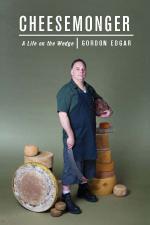
Cheesemonger, by Gordon Edgar, is one of my favorite books, period. Using humor as a guiding force, Edgar links his love for cheese to social activism and explains how what many see as nothing more than fermented milk can inspire a full and aware life. And it’s flippin funny.
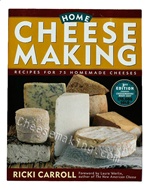
An oldie but a goodie,Home Cheese Making is a great guide to making cheese in your own kitchen. I’ve tried to make cheese with other books and have found a wrong temperature in a recipe or two that has thrown off my efforts. Then I end up frustrated. This one is exact. And has abundant recipes inside for the gorgeous cheeses on the cover.
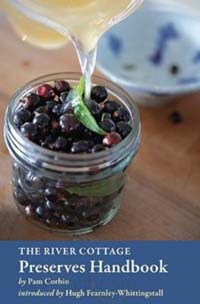 I know, it’s kind of cheating. The River Cottage Preserves Handbook is not about cheese. But it loves cheese. The recipes within it, like Melissa’s chestnut jam and apple-flower jellies want to be paired with Sierra Mountain Tomme and Garrotxa, for example. So does the ale chutney. Expect to see some trial recipes from this book on the blog in the future.
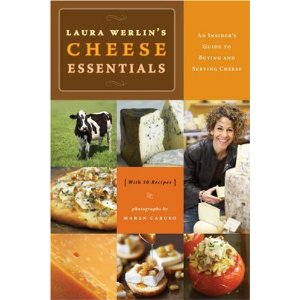 Laura Werlin’s The Cheese Essentialscovers, well the cheese essentials. It breaks down why a washed-rind is called a washed-rind and how to find other varieties like Époisses if you are hooked. It also has some great recipes for cheese accouterments, like pan forte. It is simple, friendly, easy to use, and Werlin does a great job in explaining why certain cheeses are how they are (nature vs. nurture?).
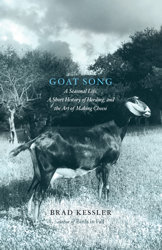 Goat Song tells the story of novelist Brad Kessler’s move from the city to the Vermont countryside to make cheese and raise goats, in vivid detail. Seriously, goat mating is described down the italicized T. It’s real, honest, and a great book. Kessler’s a skilled writer who explains his devotion to husbandry, why he and his wife moved from Manhattan to make goat cheese, and the profound impact the decision and the animals have had on his life.
Some local book stores that I like to buy these beauties from are: Omnivore, Walden Pond, Diesel, Pegasus books. Please share your favorites shops, especially if culinary-themed!
Lastly, your local cheese shop probably has gift certificates. This comes in handy if you're not sure whether the person you're gifting prefers light and mild fresh cheeses or funkier-than Bootsy Collins washed rinds.
Any other gift ideas?
River Cottage Apple Sage Jelly: Cheese and its Circle of Friends
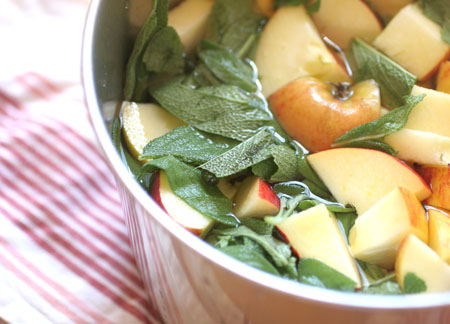 As mentioned previously on "It's Not You, it's Brie," cheese has a wide circle of friends. It's a social animal. Circulating only amongst its own kind has no appeal to cheese; it knows that it is only as well-rounded and nuanced as those it keeps in its company and that discriminating against non milk-based products would ultimately make life less tasty.
Although not always mentioned in polite circles and dinner parties, certain types of cheese have a passion for jellies. The sticky sweet taste and seedless texture begs for younger tart goaty flavors, chevre, and lightly aged goat's milk cheeses like Tumalo Tomme or Garrotxa. In particular, these milky genres love herbal jellies like the sage one proposed in the below River Cottage Preserves Handbook recipe.
The following recipe was the first preserves I ever made. Because blogs are short on space, I'm not including canning or sterilization techniques. You'd want to learn these from someone much more exact than a girl who thinks baking is more exciting when guessing how much flour is in a cup anyhow. The handbook has fantastic guidelines, as do many other online guides. Canning terms are italicized below.
I hope you try this recipe- it's amazingly easy- see how you don't have to peel or core, the apples, see? See! Enjoy with your favorite lightly aged goat cheese.
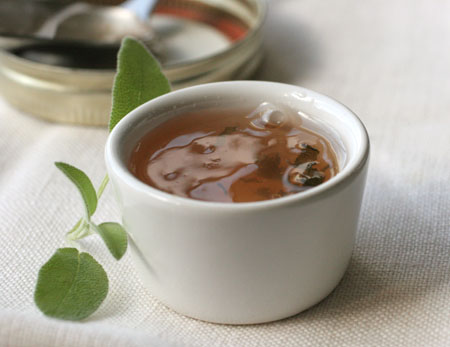
River Cottage Apple Sage Jelly
Makes four to five 8 ounce jars
3 pounds, 6 ounces cooking apples
1 medium bunch of sage, rosemary, mint, etc..
7 tablespoons cider vinegar
Granulated sugar
Coarsely chop the apples, discarding any bad parts, but don’t peel or core them. Place in a preserving pan with the herbs, reserving half a dozen small sprigs to put into the jars. Barely cover the apples with water. Bring to a boil, then simmer gently, covered, for 45 minutes to 1 hour, until the fruit is very soft. Pour the contents of the pan into a jelly strainer bag or piece of cheesecloth suspended over a bowl and leave to drip for at least 2 hours, or overnight.
Measure the strained juice. For every cup of juice, measure out 1 cup of sugar. Return the juice to the cleaned-out pan and add the vinegar. Heat to a boil, then add the sugar and stir until dissolved. Increase the heat and boil rapidly for 10 to 12 minutes, until the setting point is reached. Remove from the heat and skim with a slotted spoon to remove any scum.
Pour into small, warm, sterilized jars, adding an herb sprig to each. Cover and seal. Use within a year.
Variation
For stronger-flavored jellies [I did this], you can add 3 to 4 tablespoons of freshly chopped herbs after removing the jelly from the heat. Allow to cool for 10 minutes before potting. For exquisite rose-petal or dandelion jelly, add 1 ounce of scented petals instead of herbs. The above method can also be used to make quince jelly, replacing the apples with quince and leaving out the herbs.
Links des Fromages: Sharing the Love
Because the world of cheese is wide and vast and I can’t possibly meet all your dairy needs, here are some of my favorite Links du Fromage this month. Feel free to leave links to your own favorites that I missed in this post’s comment section. I'm writing this on very little caffeine.
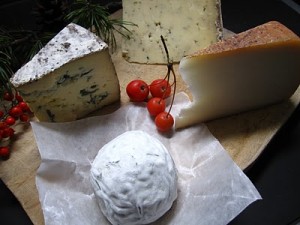
Because the world of cheese is wide and vast and I can’t possibly meet all your dairy needs, here are some of my favorite Links du Fromage this month. Feel free to leave links to your own favorites that I missed in this post’s comment section. I'm writing this on very little caffeine.
If you need even more reading, check out Sasha Davies's new book called The Guide to West Coast Cheese: More than 300 Cheeses Handcrafted in California, Oregon, and Washington. I highly recommend it. Davies is a cheesemonger and a very active board member on the American Cheese Society. She knows west coast cheese like Ruth Reichel knows food adjectives.
News
Coverage on the Estrella-FDA recall and controversy:
Recall News Roundup and Fundraising Update for Estrella Family Creamery. Thank you, Tami Parr for your excellent coverage on this topic.
Cheesemakers React to Recent Safety News. Tami Parr, once again, asks cheesemakers how the recent raw-milk raids have affected their craft and life. Essential reading.
Links
Lebanese Breakfast Cheese, by the Cheese Lover
Two Thanksgiving Cheese Boards, Madame Fromage
Jersey Blue, on Covering the Rind
Cutting the Curd, The State of Cheese Radio Show: Utah, by Anne Saxelby, Heritage Radio
Urban Cheese: Warehouses in Wisconsin, by Cheese Underground
Brie de Meaux, David Lebovitz
Recipes
Sweet Potatoes with Pecans and Goat Cheese, Smitten Kitchen
Kiwi-Lemon Jam, with Delice de Bourgogne, Vanilla & Garlic
Drunken Pumpkin Bourbon Tart With Mascarpone Cream, Tartlettle
What did I miss? Add a link in the comment section below!
A Plea for Winnimere Parties
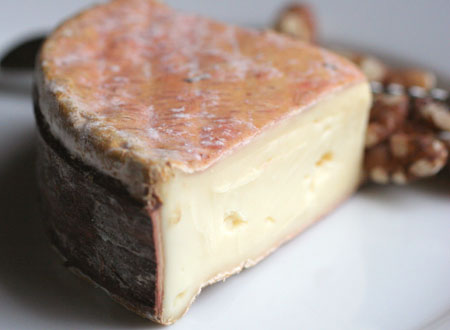 As surely as I can smell the turkey in the oven on Thanksgiving or the half-pound of melted butter in the pile of mashed potatoes, I can smell the onset of Winnimere season. It smells like falling leaves, flames crackling to roast chestnuts, and yes, like pine.
A seasonal cheese that often makes more appearances on people's blogs than in shops, Winnimere sells out more quickly than Alaskan wild-caught salmon at a substaniable seafood shop, and just happens to making its way to cheese counters soon.
Winnimere is one of my favorite soft and gooey cheeses in the world. Wrapped with pine bark from the Jasper Hill Farm and washed with lambic beer from a nearby brewery, Winni is only made with raw winter cow's milk and tastes faintly of the woods, fresh butter, and bacon.
Managing to be simultaneously rich and fresh and lively at the same time, this cheese has the power to please numerous palates. And if your friends don't like it, well, I'm not saying that it's okay to judge people, but at least give them one really insulting look while shaking your head back and forth. Then apologize, smile, and eat their portion.
This blog post is a complimentary heads-up and plea. If you see it within the next couple of months, get it.
But for the love of all things all things right and cheesy, bring your Winnimere to a party. If you don't have a party to go to, throw one for Winnimere. This wheel needs to be shared.
Stuffed Squash with Blue Cheese and Quinoa
Despite the headlines, I have faith in our cheesemakers and the power of cheese eaten in nutritious quantities. With this in mind, I want to share with you one of my favorite fall dishes with raw-milk American blue cheese. Made with seasonal squash, quinoa and herbs, it's a light, lively starter to a meal or, served with a side salad, a flown-blown, healthy lunch for one. It's also gluten-free and vegetarian. Eat this while laughing at fingers pointing to cheese as the culprit for obesity
 There's been a bit of fuss about cheese in the news lately. The FDA and raw-milk vigilantes have been making headlines due to a couple cases of possible listeria. Next, a recent article in the New York Times accused cheese of making Americans who eat at fast food restaurants fat. Because people eating neon "cheese food" squirted from a cheese pump between a flour tortilla and fried corn taco shell stuffed with ground beef are surprised when their dinner isn't low fat or healthy.
Despite the headlines, I have faith in our cheesemakers and the power of cheese eaten in nutritious quantities. With this in mind, I want to share with you one of my favorite fall dishes with raw-milk American blue cheese. Made with seasonal squash, quinoa and herbs, it's a light, lively starter to a meal or, served with a side salad, a flown-blown, healthy lunch for one. It's also gluten-free and vegetarian. Eat this while laughing at fingers pointing to cheese as the culprit for obesity.

Stuffed Winter Squash with Blue Cheese and Quinoa
Any winter squash will work, but I choose a sweet dumpling squash because I like to mix it up with this gourd's sweet zucchini flavors when I'm tiring of the standard butternut squash soup making its fall rounds. Use any squash you'd like though- it would go smashingly with any stuffable squash- just alter the recipe to fit the vegetable's size. To add a little seasonal crunch, I used pumpkin seeds, but crushed pecans would work just as well.
Serves 1 to 2
1 sweet dumpling or carnival squash
2 teaspoons olive oil
1/2 celery rib
1/2 clove garlic, minced
2 sprigs parsley, chopped
1/2 cup quinoa, cooked
1 tablespoon roasted pumpkin seeds
squeeze of lemon
1 1/2 ounces raw-milk blue like Jasper Hill's Bayley Hazen, Big Woods Blue, or Buttermilk Bleu Affinee
salt and pepper to taste
Preheat oven to 375 degrees
Cut squash in half from the center of the stem down and scoop out the seeds. Rub the flesh with one tablespoon olive oil and sprinkle with salt and pepper. Place face down on a sheet tray lined with parchiment paper and cook for 20 minutes or until a fork slips into the flesh easily. Set aside.
Cut the celery rib once lengthwise, then into small diced pieces.
Add one teaspoon of olive oil to a pan that has been warmed to medium-heat. Add the celery and cook until just al dente, about 5 minutes. Add the garlic, cook for 2 more minutes. Add the quinoa, parsley and lemon juice and cook until warm. Season with salt and better. Set aside to cool, and add pumpkin seeds.
Raise the oven heat to 425 degrees.
When cool, stuff the squash with the quinoa. Crumble and divide the blue cheese over the top of the two squash.
Put the squash in the oven and bake for 7 to 10 minutes, or until the squash is warm and the cheese is bubbly and browned.
Drink with Pinot Blanc, a white Alsatian blend, or a Belgian wit beer.
Happy Cows vs. Picture-Perfect Cows
 There was a bit of a backlash to a recent story I wrote for the LA Times, called "Artisan cheese-making brings them a new slice of life." It wasn't concerning the topic, the farmer's stories, or inaccuracies in the article, the issue was about the cow in the photo. Some readers were convinced that she was on death's door.
Because of reader reaction, the Humane Society paid a visit to the Bianchi-Moreda's Valley Ford farm.
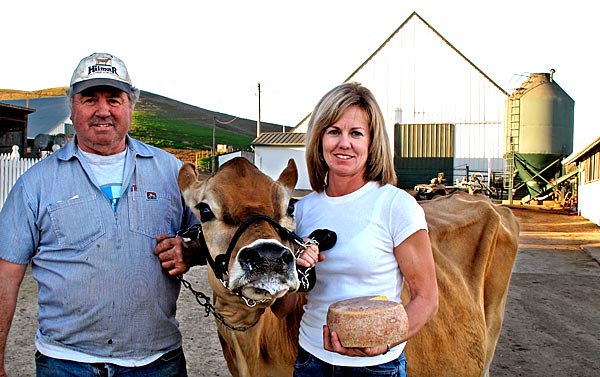
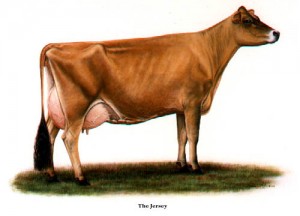
The Bianchi-Moredas thought nothing of taking a picture with Lady, the cow in the photo. They were proud of her. Cheesemaker Karen Bianchi-Moreda calls her "one of my girls, " and boasts that she has won numerous awards in fairs across the state. And, although some say she has the spirit of a cow four years younger, she looks a little more frail than the average heifer wandering around a dairy farm. She is also a Jersey, a very angular breed that weighs 500 pounds less than the average female milking black and white cow (Holstein) featured on milk carton pictures.
Is this a case of reader's expecting to see a plump cow that they see in pictures who've never visited a farm? I wasn't certain. After responding to reader letters, I found that some of reader's families grew up on farms with different cow breeds, so they had quite a bit of experience with farm animals, but they didn't know what Jerseys looked like. Others were animal lovers concerned about jutting rib bones.
Want to get more of the back story about what the Humane Society found out when they visited the farm? Read about it here. LA Times Editor Russ Parsons blogs about reader reaction.
How many of us might make think the same about the photo? What does this mean to you?
Artisan cheesemaking brings them a new slice of life
There's more Wisconsin cheese love to come on "It's Not You, it's Brie," but in the meantime, I wanted to share my latest article. It was published last week in the LA Times and focuses on how, due to fluctuating milk prices, some dairy farmers are turning to making cheese to keep their passion and farm alive. Hope you enjoy it, and I'll be back next week!
 There's more Wisconsin cheese love to come on "It's Not You, it's Brie," but in the meantime, I wanted to share my latest article. It was published last week in the LA Times and focuses on how, due to fluctuating milk prices, some dairy farmers are turning to making cheese to keep their passion and farm alive. Hope you enjoy reading about Valley Ford, Achadinha Cheese, and Landaff Creamery. I'll be back soon!