
The Cheese Blog
French Appellations
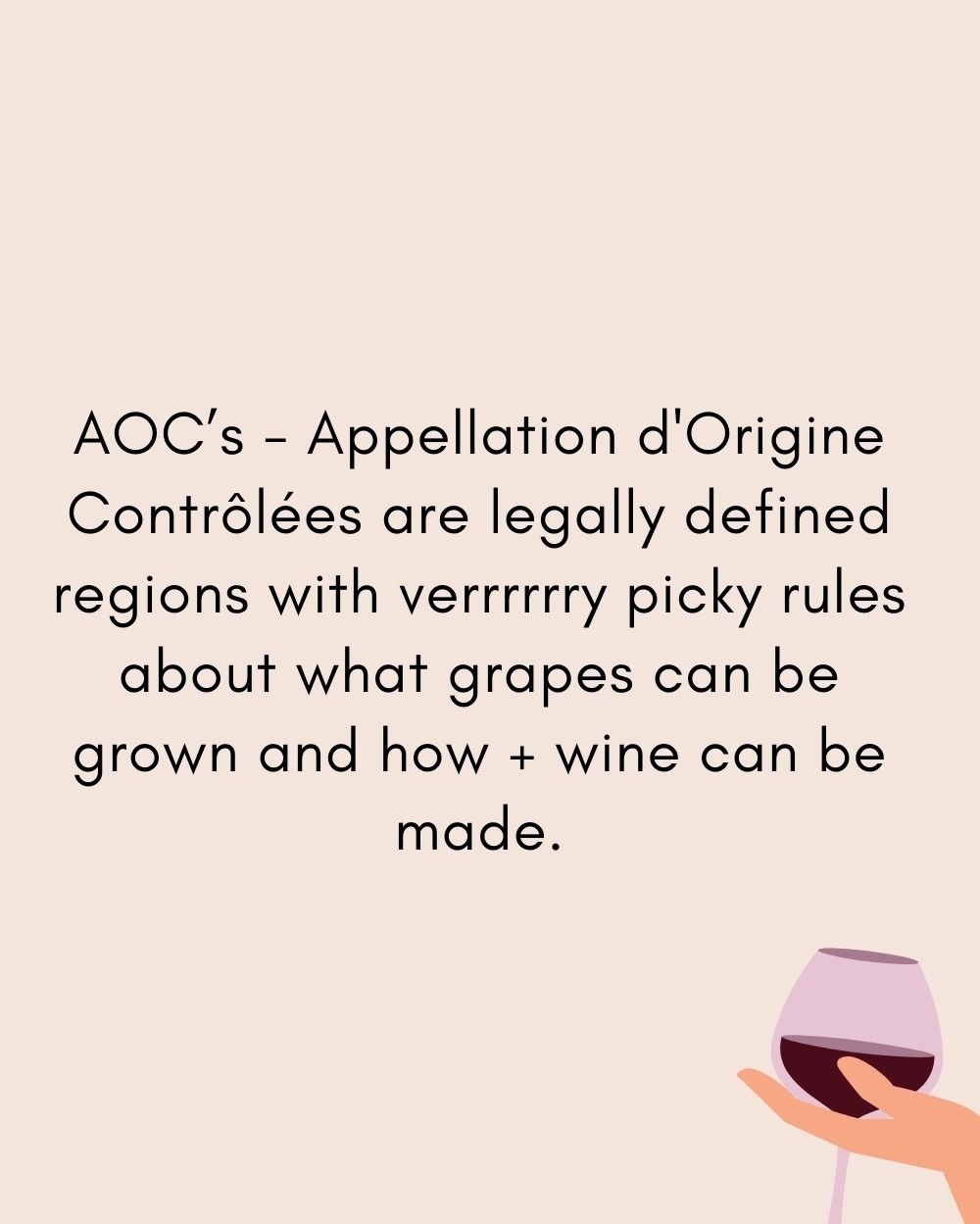
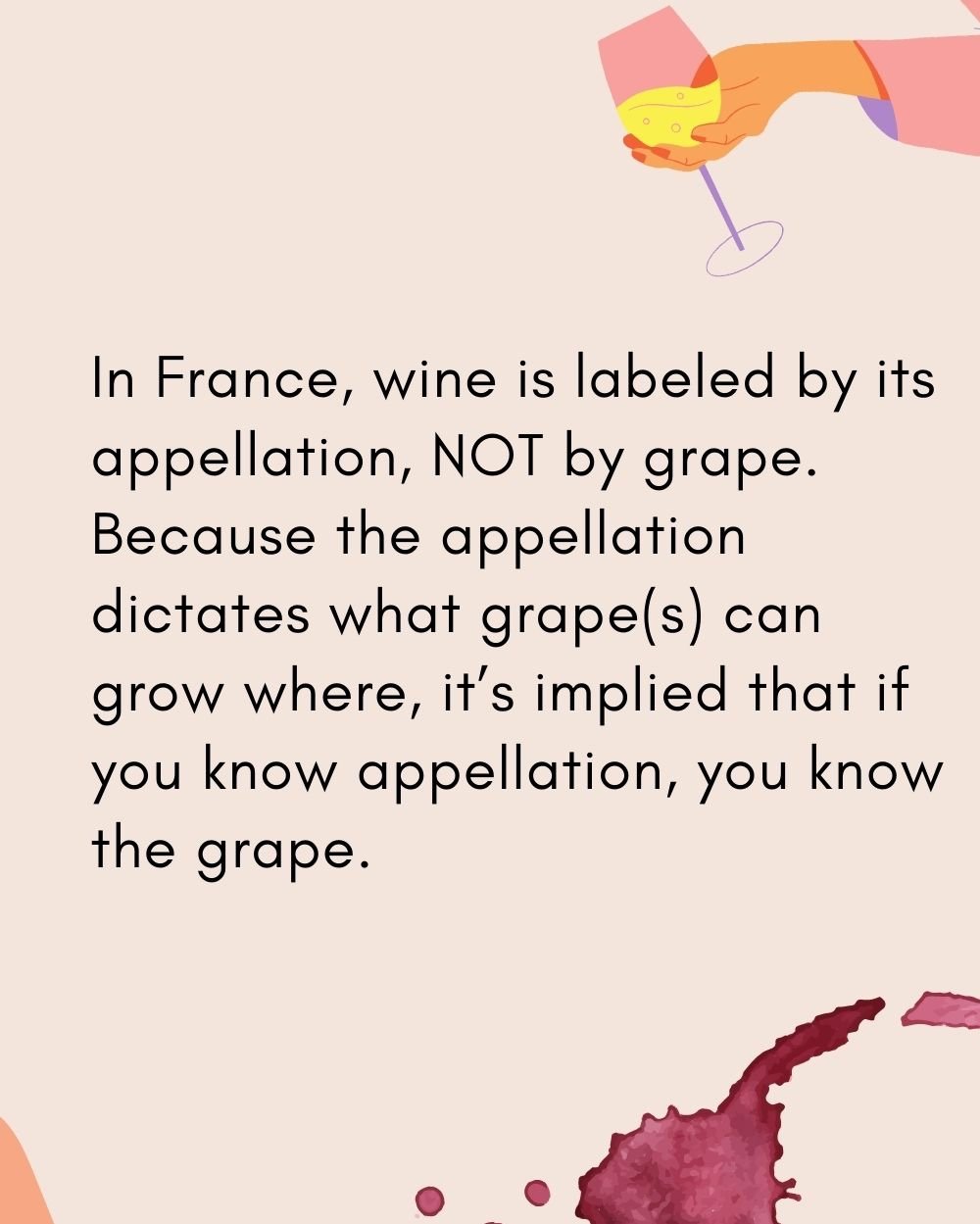

French wine appellations are a fundamental part of the country's wine culture. They are a legally-defined and protected term used to designate specific regions, vineyards, and wines that meet strict quality standards.
One of the most famous French appellations is Champagne. Located in the northeast of France, the Champagne region produces some of the world's most celebrated sparkling wines. Only wines produced in the region using specific grape varieties and production methods can carry the Champagne appellation.
Another notable appellation is Bordeaux. The Bordeaux region, located in the southwest of France, is famous for its red wines, which are often described as full-bodied and complex. The region has several sub-appellations, such as Saint-Emilion and Pauillac, each with its unique terroir and characteristics.
The Burgundy region, located in eastern France, is home to some of the most expensive wines in the world. The region is divided into several appellations, including Chablis, Cote de Beaune, and Cote de Nuits. Burgundy is famous for its Pinot Noir and Chardonnay wines, which are known for their elegance and complexity.
The Loire Valley, located in central France, is another significant wine region. The area has several appellations, including Sancerre and Pouilly-Fume, known for their crisp and aromatic white wines made from the Sauvignon Blanc grape variety.
Finally, the Rhone Valley, located in southeastern France, is known for its robust red wines made from the Syrah grape variety. The region has several appellations, including Chateauneuf-du-Pape and Cote-Rotie, each with its unique characteristics.
In conclusion, French appellations are an essential part of the country's wine culture, reflecting the unique terroir and history of each region. Whether you're a wine enthusiast or simply curious, exploring French appellations is a fascinating way to discover the diversity and complexity of French wines.
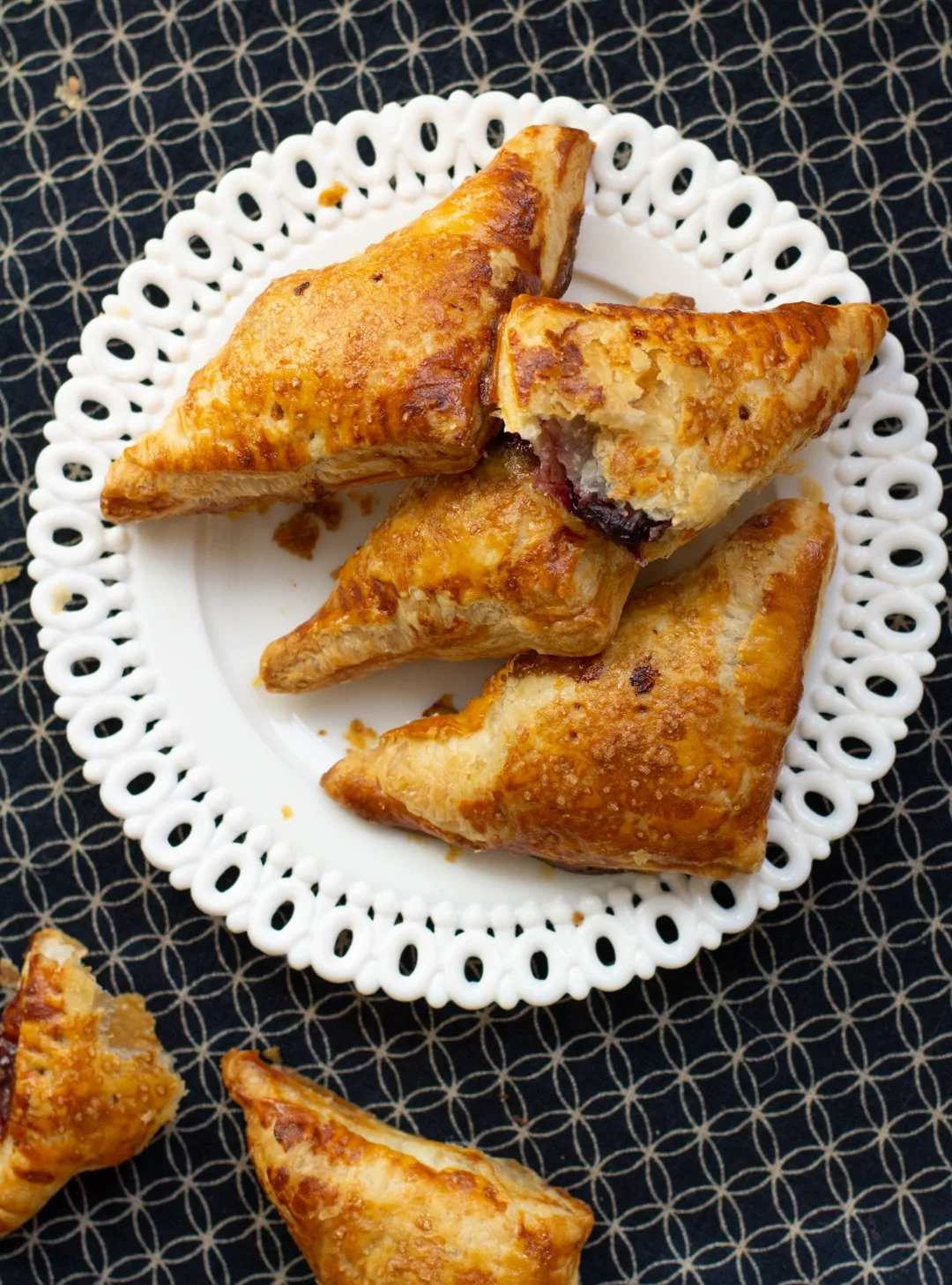
Comté & Cherry Turnovers - Frozen Cherries & Puff Pastry, Go!

Comté & Cherry Turnovers
On the weekends when I was growing up my dad would treat us to something special for breakfast. His turnovers, which I considered a magical feat of pastry art, were my favorite, and this recipe is a little ode to my father. The recipe calls for store-bought puff pastry dough, filled with a simple yet sultry filling of cherries dotted with Comté. I used frozen cherries but go fresh if you’re in the pitting mood. Be sure to give your puff dough from at least 3, and up to 24 hours to defrost in the fridge (not the counter), and leave enough time to stick your turnovers in the freezer for 30 minutes before baking, or make at night and chill in the fridge until ready to bake.
(psst, the recipe looks long, but it’s easy!)
1, 14 oz sheet puff pastry
220 grams cherries or 1 1/2 cups cherries, pitted
50 grams or 1/4 cup sugar
1 tablespoons cornstarch
1 tablespoon lemon juice
pinch salt
1 egg plus 1 tablespoon water, lightly whisked together
75 grams or 2.75 ounces comté, shredded 1 teaspoon demerara or turbinado sugar for sprinkling
Defrost your puff pastry dough in the refrigerator for 3 to 24 hours before you’re ready to make the turnovers.
To a small sauté pan, add the cherries, sugar, cornstarch, lemon juice, and salt. Over medium heat, stir cherries with a spatula or wooden spoon. After the fruit starts bubbling, turn heat to low and use the tip of your spatula to crush around half to two-thirds the cherries. Stir continuously, and cook for 3 to 5 more minutes more, or until the sauce thickens and the cherries have softened. Fresh cherries may need to cook longer.
Pour the cherries on a plate and spread them out. The filling needs to be cooled completely. Pop your plate in the freezer for around 15 to 20 minutes, or until chilled.
Once the cherries are chilled, lightly flour a clean kitchen counter. Remove your dough from the fridge and unfold gently onto the countertop. Roll out the dough enough to flatten the creases and create a rectangle around 12 x 12 inches. Cut the dough into nine equal squares.
Brush the outside 1/2 inch edges of each square with egg wash. Dividing the cherry filling equally, plop a heaped tablespoon of the filling in the center of each square. Top with equal amounts grated Comté.
Fold the top of each square over to form a triangle and press the edges of the triangle together, then crimp with a fork. Brush lightly with egg wash and prick the tops twice each with the tip of a fork. Sprinkle with demerara sugar. Lay the turnovers on two small sheet pans or large plates and let rest in the freezer for 30 minutes before baking.
Pre-heat oven to 400 degrees. Turning halfway, bake the turnovers for 30 minutes or until they become lightly brown. Let cool for 5 minutes before serving.
What I want on MY Valentine's Cheese Pairing Plate

If I could have any cheese plate for Valentines Day, it would feature one of these 3 below pairings, or all of them. After years of sharing my tips on how to make a great cheese plate and how much you all love dairy, I’m confident that you guys can rock a cheese board. If you don’t quite yet feel comfortable, here’s a video of me explaining how to make a beautiful board from French goat cheeses. (But let’s be honest, you’re probably already tossing around cheeses and boards like Tom Cruise on Cocktail)
But it would be fair to wonder, after years of me sharing hundreds of cheese pairings, which ones I actually like the most. At least, this year! Which ones I’d be sure to include on a Valentine’s Day cheese pairing plate for myself. Is this board for my husband? Nope! It’s all my favorites. I’ll probably let him have a bite or two though. : ) Here they are below.
My Top 3 Valentine’s Day Cheese Pairings
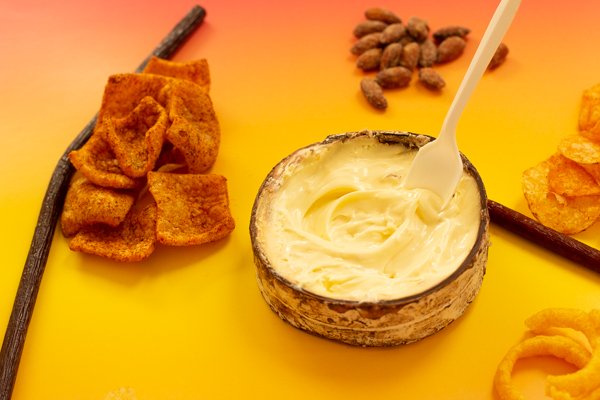
A soft, creamy bark-wrapped cheese like Point Reyes Quinta, Harbison or Rush Creek and Fritos. Or Funyuns. Why? Because cream and crunch go together. Or, because you can. This post explores how to pair fun finds with the style of cheese.
Roquefort blue cheese and a raw dark honey. Let’s be honest, any blue cheese and any honey is tops, but when I really want to celebrate the spicy and heavy brown buttery notes in the sheep’s milk cheese roquefort, I go for a dark and rustic honey, not a light one. Think buckwheat, chestnut, avocado honey, or some of that honey you buy from the horse rancher a town over who also keeps bees (you all have a neighbor like that, right?).
Lambrusco and a young pecorino or sheep’s milk cheese. A young pecorino (any sheep’s milk from Italy) can be found at your local Italian grocery store or deli (like Corti Brothers), small cheese shop, or, if all else fails, grab a younger, softer Manchego. The melted butter and green olive flavors of a young pecorino couldn’t be better with this berry-packed and peppery wine. Just make sure to pick up a dry Lambrusco.
I hope fall in love with one or more of these pairings for Valentine’s Day, too.
In Case you Missed them in 2022: My Top 3 “New” Cheese Picks
My top 3 2022 “New” Cheese Picks
If your end-of-2022 felt as frantic as mine, you may have missed a few cheese world introductions. Or checking on your tire’s air pressure, appointments, dry cleaning pickups, etc. If this was the case for you too, I hope that you did not get a flat tire on the freeway, and, I’d like to introduce you to some of my favorite cheese releases of 2022, all American.
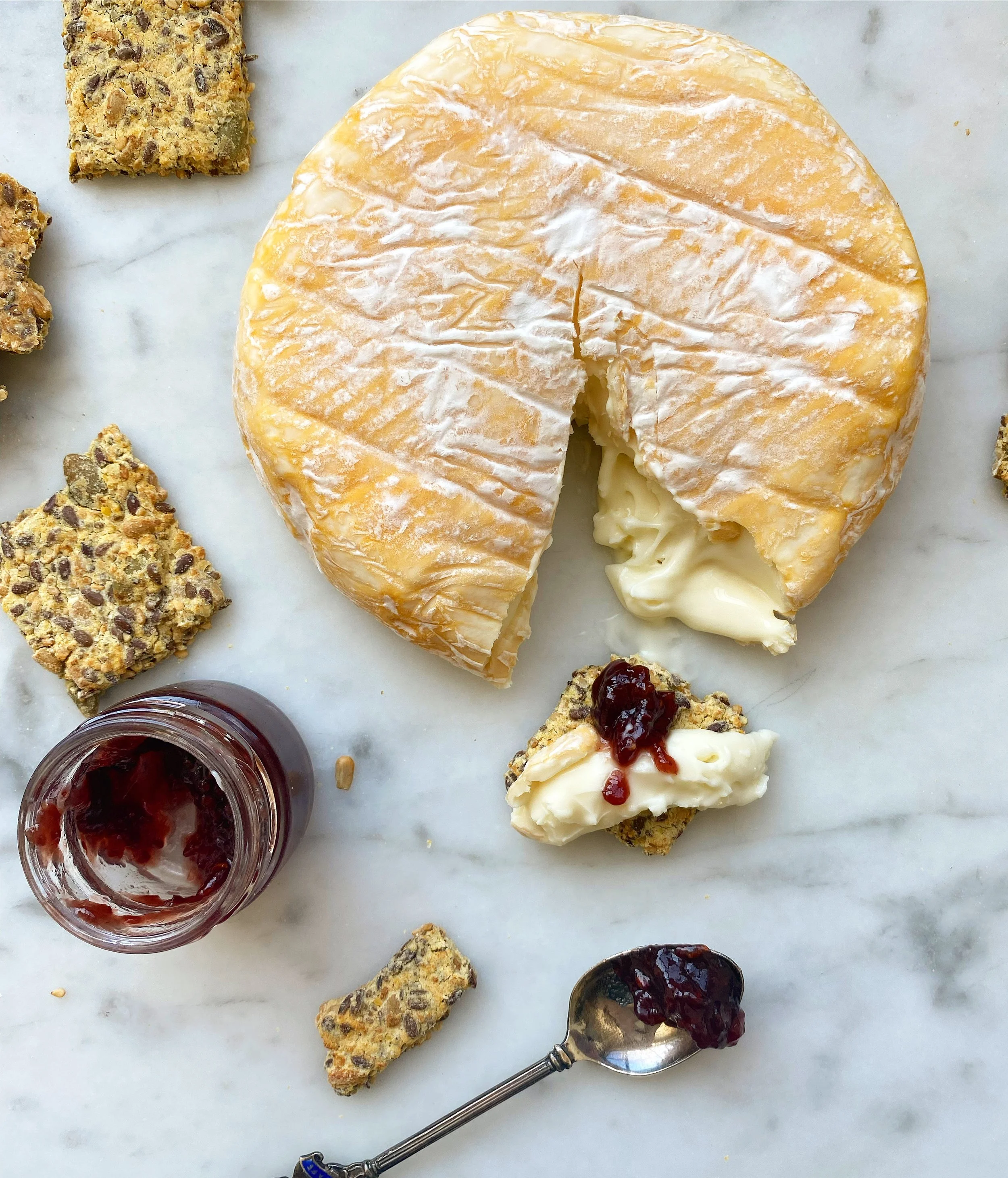
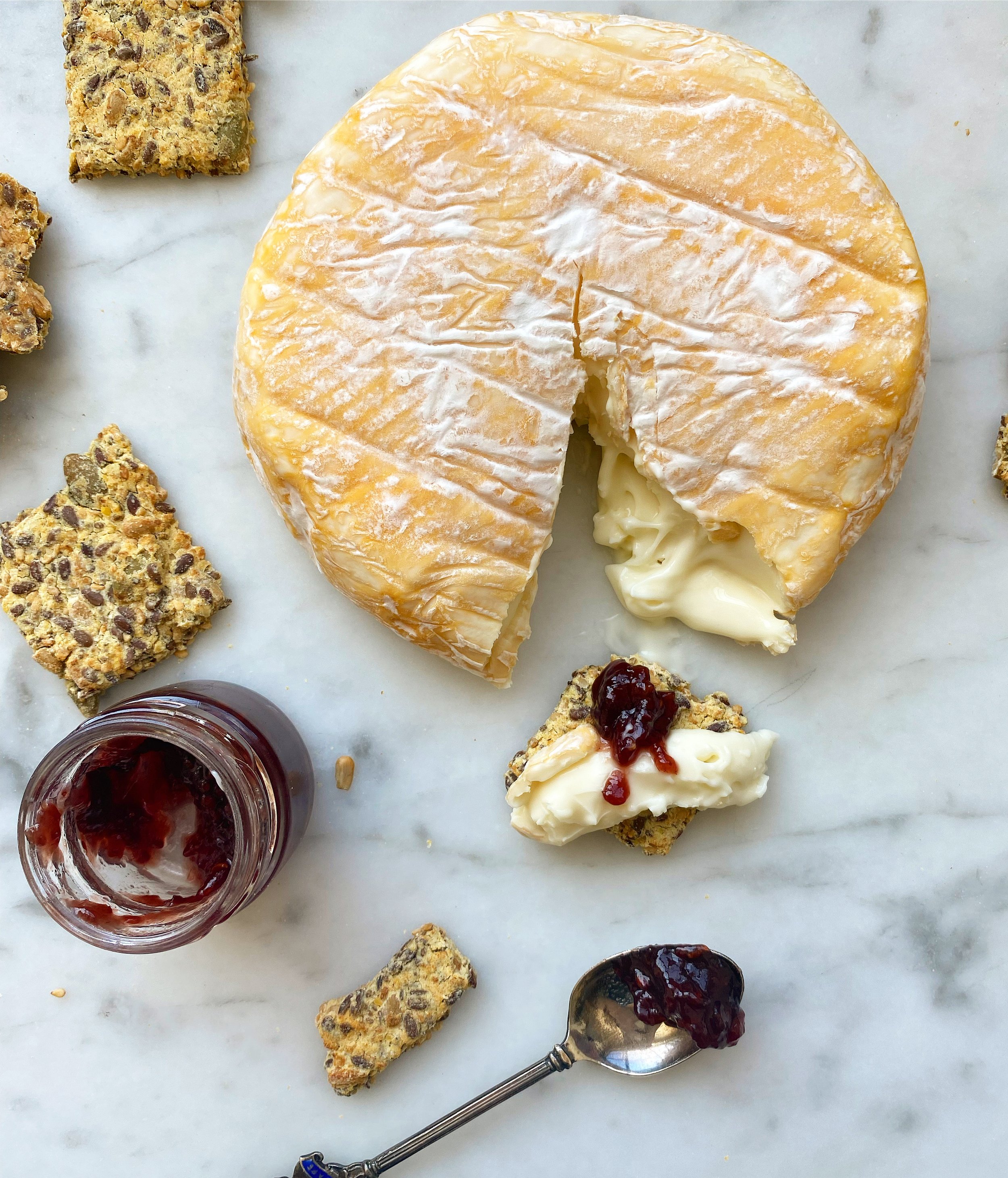
Marin French Golden Gate Golden Gate is a orange-rinded, triple-creme, stinky, sweet, and creamy wheel. It’s for lovers of Red Hawk or Époisses. It’s subtle and buttery when young, and strong and oozy when old. Spread it on a seedy cracker and eat it plain, or top with honey if your palate wants a little sugar. I’ve seen this everywhere from online to Whole Foods.
Central Coast Creamery Water Buffalo Gouda This is the first American firm buffalo milk cheese I’ve tried, and it’s a winner. Sweet, with notes of cream fraiche and caramel, and perfectly salted, get it whenever you see it. And a lot of it. I found it at my local Redwood City grocer’s, Sigona’s, and at Gary’s online so far.
Jasper Hill Black Label Select Clothbound Cheddar This one has definitely been out longer than a year, but finding it consistently is…. an adventure. Jasper Hill is well known for aging some of the best cheddar in the country, but this one is really something else. Jasper Hill’s sensory analysis team -this is truly a thing and it is wonderful- only picks the best “vintages” to release under this label, and every batch is stunning. Nutty, sweet, crumbly, with some of those cheese crystals that we all know and love. The rule is, if you see it, buy all you can. I’ve seen it at Sigona’s, Bi-Rite, and Saxelby Cheese. Get on a waiting list if you need to.

Pumpkin Cheesecake Cheeseball: Your Easiest Thanksgiving Dessert Ever
Cheeseball recipe (1 of 1)
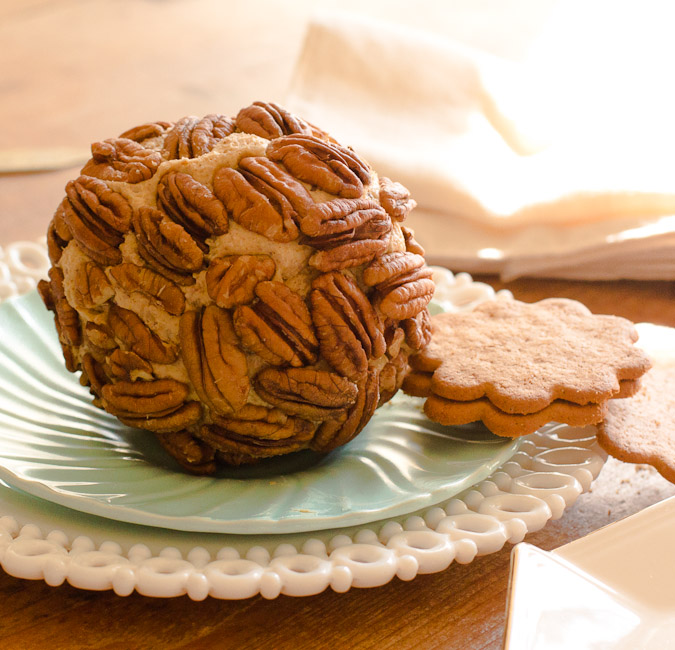
Pumpkin Cheesecake… Cheseball. Your simplest Holiday Dessert Recipe, Ever.
Some find cheeseballs too kitsch, like beehive hairdos or cone shaped bras. Others, picturing the tinted bright orange and preservative-packed cheeseball their aunt served during the holidays, think of a cheeseball as a unsavory concoction best only served next to smoke-flavored salami from Cracker Barrel. I, however, think kitsch has a holy place in heaven's decor, sixties relics are pretty awesome, and cheeseballs are one of the true delights of the holidays.
So are pumpkin cheesecakes.
Introducing the pumpkin cheesecake cheeseball.

Through rigorous testing and sampling I discovered a couple of things about dessert cheeseballs, and pumpkin cheeseballs in particular. One, though unconventional, they are delicious. Two, too much pumpkin makes an unappetizing cheesecake blob, and it’s the spices that makes the ball tastes like a pumpkin cheeseball not always the pumpkin (think of a PSL). Three, ground pecans make just as much a fabulous cheeseball thickener as they do a traditional cheesecake base. Four, cheesecake balls love to be served with gingersnaps.
Serve this cheeseball for dessert, with gingersnaps or almond crisps, and a strong old fashioned in an etched high ball glass. Note * - you will need to grind pecans and chill the ball overnight. *
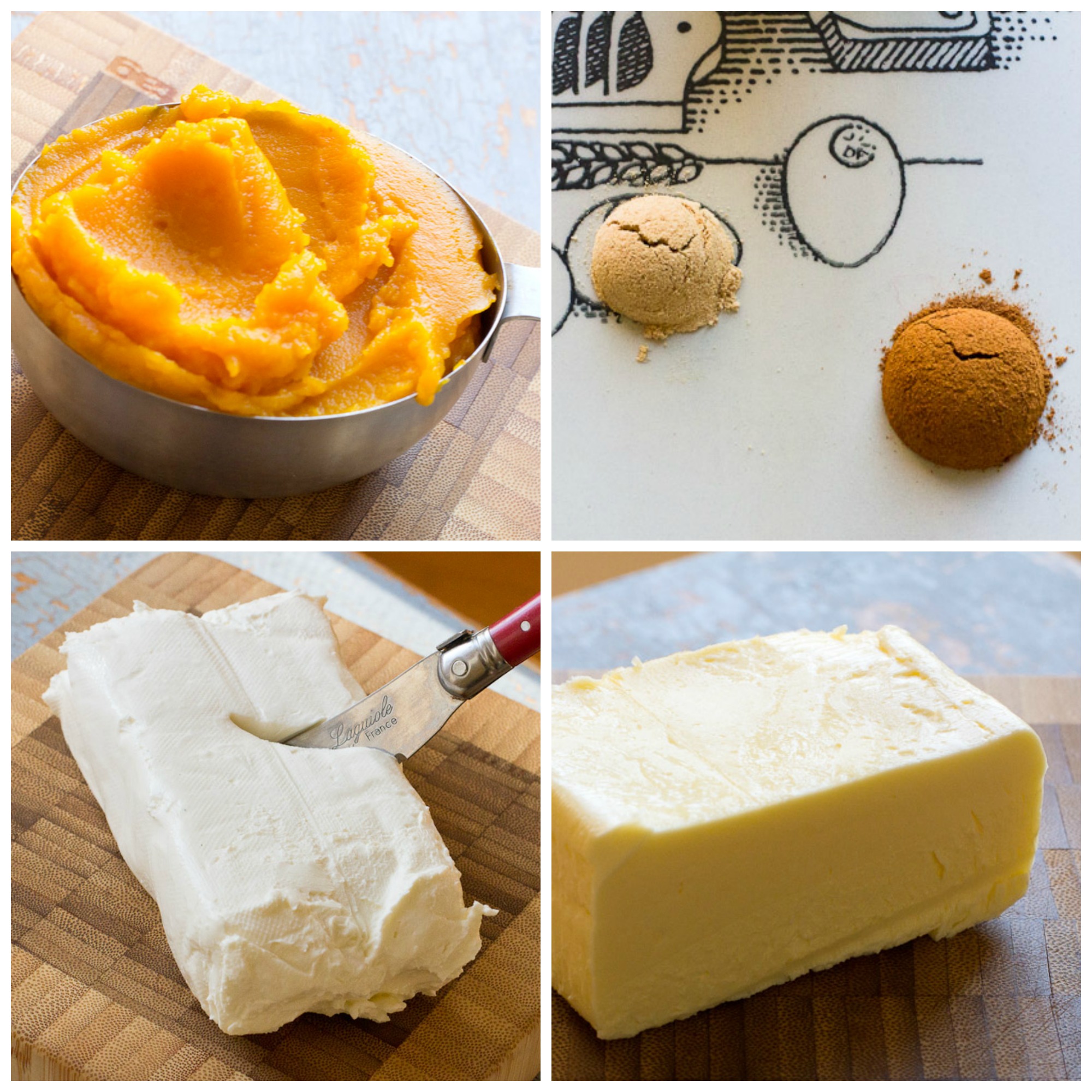
Cheeseball recipe ingredients
Pumpkin Cheesecake Cheeseball
makes 2 cheeseballs.
4 ounces salted cultured butter, room temperature
16 ounces cream cheese, room temperature
3/4 cups white sugar
1/4 cup plus 2 tablespoons pumpkin puree
1/4 teaspoon freshly ground nutmeg
1/4 teaspoon ground ginger
1/8 teaspoon cloves
1 1/4 teaspoon cinnamon
1 cup and 2/3 cup toasted pecans (divided)
In a large mixing bowl or in a mixer with a paddle, cream the butter. Stop to scrape down the sides of the bowl with a spatula. Add half the cream cheese, mix until blended, and scrape down the sides of the bowl again. Then add the remaining cream cheese and sugar and blend again. Add the pumpkin and spices to the bowl, mix for five seconds, scrape down the sides of the bowl, then continue mixing until smooth.
Grind one cup of pecans in a food processor until they become the consistency of polenta. If you don't have a food processor, divide the pecans into batches and finely chop. Don't use a blender or over-process them, or you'll create pecan butter.
Add the ground pecans to the pumpkin cream cheese mixture and mix with a wooden spoon. Divide into two roughly spherical shapes, wrap in parchment, and refrigerate overnight.
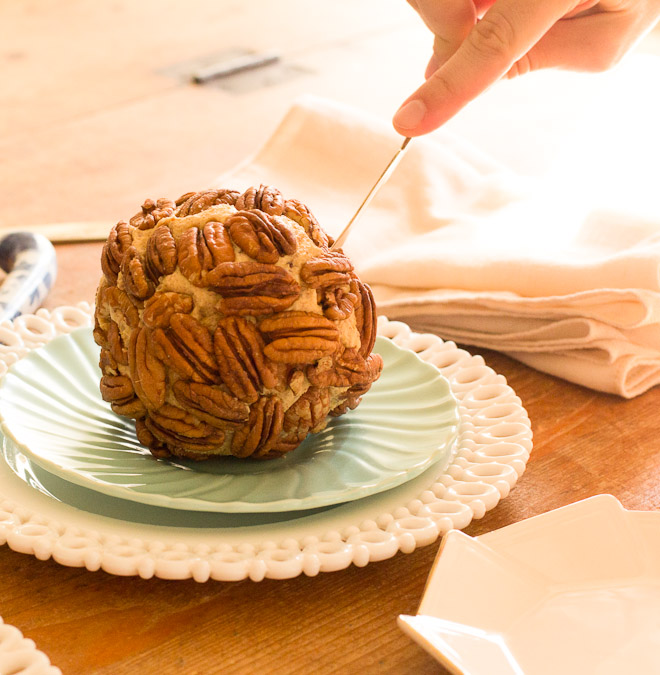
The next morning the balls will be firm enough so that you can shape them into spheres. Create balls, and before serving, press the outside with the remaining pecans.
Note: If you wait to roll the ball in toasted nuts, this ball also freezes well. If you leave the pumpkin out, and add a splash of run or brandy, kabam!, you've got yourself an eggnog cheeseball for December!
Happy Thanksgiving!
This was first posted in 2015 but stands as one of my favorite holiday recipes, ever.
Thanksgiving Reds


Whether going traditional or non traditional this quick guide on how to pair your red wine to your Thanksgiving meal is sure to come in handy for the big day! Spoiler alert: anything works!
3 Wines I Crave when the Temp Drops
I’m never one to limit great wine consumption by season. Want a rosé when it’s snowing? Drink it. Crave a Cab when it’s 90 out? Down it. That said, there are certain wines I associate with a time and place. That I imagine drinking in front of a fireplace, while wearing a sweater and enjoying the view of my neighbor’s pumpkins and gourds splayed across porch steps.
3 Wines I Crave in Fall When Feeling Cozy
There is nothing I love more than a glass of a spicy red when fall hits. Leaves are in their amber prime, and I’ve put away the grill for the season. In Autumn, I like something medium-to-heavy body with full fruit, that has enough acidity to handle all the butterfat I’m likely throwing at it. I tend to save my uber-rich, more oaked reds until December- more on that later. These 3 below are my top autumnal styles.
Northern Rhône Reds like Crozes-Hermitage
From the Northern Rhône Valley in France, these Syrahs are some of the best in the world. Some are $$$. Some are $. All are Syrah. The rule in this region is that if you slap a Northern Rhône appellation on your label and it is red, the grape in the bottle must be legally be Syrah.
One area I love in the Northern Rhône is Crozes-Hermitage. The pricepoint is killer compared to many other neighboring regions —you can find a bottle for around $20. (Watch out though- though delicious, the similiar-sounding neighboring “Hermitage” region will cost you $40 and up, easy). I like wines from this area because they’re delicious, and lovable. Think floral notes, blackberry and blueberries, thyme, and sometimes hints of bacon or black olive. With great acidity.
Other great regions to try nearby (but more $$$) are Cornas and Côte Rôtie,
Some wineries I love from Northen Rhône: Jean-Louis Chave, Yann Chave, Domaine le Colombier, Faurey, Graillot, Sorrel, Vernay,
2. Aged Tempranillos of rioja alta
Did you know that there’s an area of Rioja, Spain that actually ages your wine for you? And they don’t charge you extra for it. This appellation in westernmost Rioja is called Rioja Alta and it’s magnificent. Unlike wineries in Burgundy, Barolo, or Barbaresco (where some of the best Pinot Noir and Nebbiolos are made) that sell their wine young and expect you to age it until it’s at its peak, Rioja Alta producers make the wine, then generally cellar it for you until they think it’s ready to drink. This means that upon release, the ravages of time have already made the wine, well, less ravaging. Those burly tannins and high acids that many high-end European wines are known for when young (see the 3 B’s above) have already been soothed for you as the wine ages and mellows in the bottle. Quite simply, they’re ready to go.
The grape of Rioja Alta is Tempranillo, sometimes with a touch of Graciano. The wines taste of black cherries, spice, leather, and sometimes tobacco. And at around $40, they’re a deal considering you could be opening a wine that’s already been aged for you 8-plus years- one current release, for example, is 2004. They’re just the kind of wine I love opening with a rich bean stew or lasagna.
Some Rioja Alta wineries I love: La Rioja Alta, Vina Alberdi Reserves, Vina Ardanza (La Rioja Alta tends to release them later, so taste around among Alta wineries to find your aging preference).
3. California red Blends
I’ve seen from working in a wine shop for years that California blends have unfairly earned a bad rap. Customers often looked at me with suspicion when I suggested a blended wine to them like I was trying to sell them a bunk bottling because it wasn’t just one grape. Of course, sometimes blends are a mix of whatever was leftover at a winery that wasn’t good enough to justify a single-variety release, but blends are more commonly made with intention. Winemakers blend grapes for a few reasons.
As said, winemakers nmight take the remaining juice left over after making single-varietal wines and blend it together to ferment, but most times its because they would hate to throw away great remaining juice, not just because it’s “leftovers.” Other times they blend grapes because they love the flavors of the grapes together. Individual grapes have typical characteristics, so if you decide to bottle just a Grenache, you might love the lively, peppery notes typical of the grape, but wish there was a little more acid in there. Throw some Barbara in there and you’ve got your acid.
Some of the best and earliest California wines were blends. Winemakers came from other countries with vines in their backpocket (or suitcases, or trunks, honestly I’ve always wondered how they stashed the vines), then planted them all over the state. Winemakers, if their lucky, can still gain access to those early grapes like Graciano, Valdiguié or Charbono. Some of my favorite red blends are made with mixes of early grapes and are a beautiful homage to California’s immigration history.
The best thing about blends is that they come from light to dark and can hit all your wine sweet spots that maybe just one grape couldn’t. Explore! They often are less $ than a single-variety bottling, too.
Some of my favorite blends come from: Bedrock, Bucklin, Brown, Folk Machine, Mathiasson, Preston, Scar of the Sea, and Stereophonic.
How to Pair Cheese to Cozy 🍷 when the Temp Drops
What are the best cheese pairings for spicy, medium to full-bodied reds with dash of acidity that have just been waiting for the temperature to drop so they can lounge in front of the fireplace? (See above post for wine names).
Go bigger than summer. Cozier, fuller-bodies autumnal wines don’t like lighter, fresher cheeses like summery fromage blancs, queso frescos, or mozzarellas. They’d rather snuggle up with a more mature, complex wheel. They want a deep cheese conversation.
I love a Tempranillo in fall, and Tempranillos and other spicy wines love sheep’s milk cheese, as do Syrahs. Think Manchegos, French mountain cheeses like Abbaye de Belloc, younger Pecorinos, Vermont Shepherd Verano.
Cozier wines like cheese with spicy notes, too, like an aged Provelone, Bellwether Pepato, or feta (really, feta isn’t too light, try it!).
Farmhouse cheddars can’t wait until summer is finished because they love cozy wine, too. Set chunks of your favorite cheddar out with any of these wines and enjoy the way the butterfat pairs with wine’s darker fruits and light acid.
Play around with a Tomme like Tomme de Savoie, Churchtown Dairy’s Wendell, Wenslydale, or another rustic cheese with a natural rind. Medium-body reds are so versatile, and since this semi-firm cheese style varies widely in flavor, consider the combo a free pairing pass. Have fun!